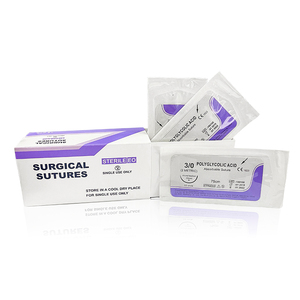
Engineered in ISO 13485 certified cleanrooms. Full batch traceability from medical polymer synthesis to validated ETO sterilization.
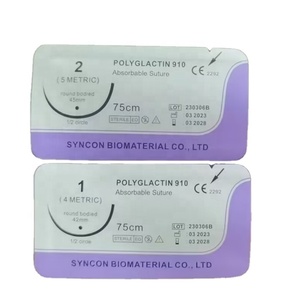
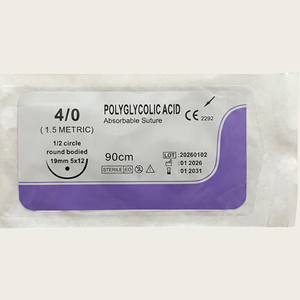
Material: Coated Polyglactin 910 / PGA
Profile: 75% Tensile Strength @ 14 Days
Sterilization: Ethylene Oxide (SAL 10⁻⁶)
Structure: Precision Micro-Braided Polyglycolic Acid
Coating: Polycaprolactone & Calcium Stearate
Absorption: 60–90 Days Hydrolytic Degradation
Application: Surgical Site Protection & Exudate Care
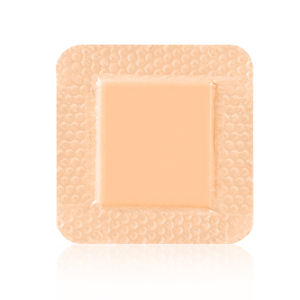
Barrier: Waterproof Breathable Silicone Matrix
Biocompatibility: ISO 10993 Cytotoxicity Tested
USP Sizes: 8-0 to 2 Available (3-0 / 4-0 Standard)
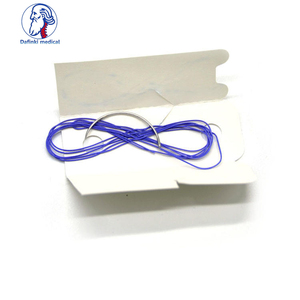
Needle: 300 Series Stainless Steel Precision Swaged
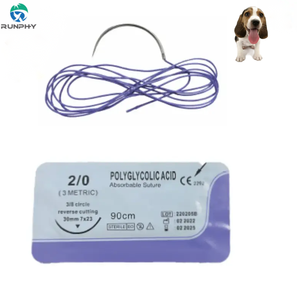
Configuration: 75cm Thread with Curved Cutting/Taper
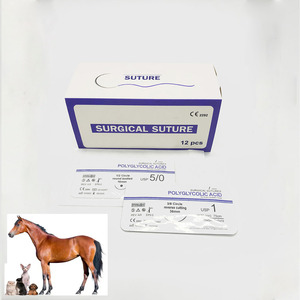
Kit Setup: Multi-Needle & Thread Surgical Procedure Pack
Polymer: Synthetic Copolymer (90% Glycolide, 10% L-lactide)
Packaging: Hermetic Aluminium Foil Barrier
Knot Security: Exceptional Knot Pull Tensile Strength
Compliance: Pharmacopeia (USP / EP) Monograph Tested
Shelf Life: Validated 5-Year Stability Under 25°C
Manufacturing: Direct Factory B2B OEM & Private Label
Tissue Drag: Smooth Coating for Reduced Tissue Trauma
Tender Ready: CE & ISO Technical Files Included
Design: Pre-cut Lengths with Ultra-Sharp Taper Point
Traceability: Individual UDI / Barcode Tracked Cartons
Quality: Zero Cytotoxicity, Non-Pyrogenic Release
Surgical mesh fixation in modern abdominal wall reconstruction, inguinal hernioplasty, and laparoscopic repair demands a sophisticated synergy between implantable bio-polymers, mechanical anchoring integrity, and tissue integration kinetics. As global health authorities enforce strict regulatory oversight under the European Union Medical Device Regulation (EU MDR 2017/745), healthcare procurement directors, hospital tender managers, and medical device distributors must partner exclusively with verified, CE-certified mesh fixation manufacturers.
The human abdominal wall experiences intra-abdominal pressure (IAP) spikes reaching up to 170 mmHg during heavy coughing or strenuous physical exertion. Surgical mesh fixation systems—whether mechanical tacks, absorbable staples, or synthetic monofilament sutures—must provide immediate shear strength and pull-out resistance to prevent early mesh migration, recurrence, and tissue shear, while maintaining biocompatibility to suppress excessive foreign body reaction (FBR).
Modern herniology utilizes three main fixation strategies: Permanent Mechanical Fixation (titanium or stainless steel tacks), Bioabsorbable Fixation (Polylactic Acid / Polyglycolic Acid copolymer tacks or Polydioxanone sutures), and Fibrin / Cyanoacrylate Adhesive Glues. While permanent tacks offer high initial tensile resistance, bioabsorbable fixation sutures and tacks significantly reduce the risk of long-term post-operative pain and nerve entrapment.
When selecting a supplier for CE-certified mesh fixation and surgical closure solutions, compliance with international standards such as ISO 13485:2016, ISO 10993 (Biocompatibility Evaluation), and USP/EP Monograph Specs is non-negotiable. Suture Planet operates a fully integrated manufacturing ecosystem in Bengaluru, India, overseeing every production step from medical-grade polymer extrusion to high-precision needle swaging and automated sterilisation cycles.
Comparative bio-mechanical metrics for hospital procurement and clinical application matching.
| Material Family | Polymer Composition | Tensile Strength Profile | Absorption / Mass Loss | Tissue Reaction | Primary Clinical Use |
|---|---|---|---|---|---|
| Polyglactin 910 (PGLA) | 90% Glycolide & 10% L-Lactide Copolymer | 75% retention @ 14 days; 50% @ 21 days | Hydrolytic breakdown in 56–70 days | Minimal inflammatory response | Soft tissue approximation & hernia mesh suturing |
| Polyglycolic Acid (PGA) | 100% Homopolymer of Polyglycolic Acid | 65–70% retention @ 14 days; 40% @ 21 days | Complete absorption in 60–90 days | Slight tissue reaction during absorption | Abdominal wall closure & general surgery ligation |
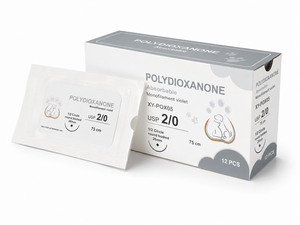
| Polydioxanone (PDO / PDS) | Poly (p-dioxanone) Monofilament | 70% retention @ 14 days; 50% @ 28 days | Extended absorption in 180–210 days | Extremely low tissue drag & reaction | Fascial closure, pediatric cardiovascular, mesh anchor |
| Polypropylene (PP) | Isotactic Polypropylene Monofilament | Indefinite non-absorbable tensile retention | Permanent inert polymer matrix | Non-capillary, minimal cellular response | Permanent hernia mesh fixation & vascular graft |
| Black Braided Silk | Natural Organic Protein (Fibroin) | Gradual loss over 1 year (Non-absorbable USP) | Slow encapsulation by fibrous tissue | Moderate tissue reactivity | General mucosal closure, skin suturing & drains |
| Polyester (PET) Braided | Polyethylene Terephthalate Coated | Permanent structural strength retention | Permanent matrix (Non-absorbable) | Inert with smooth silicone / PTFE coating | Orthopedic tendon repair, cardiac valve fixation |

* Data based on standardized laboratory USP 29 / EP testing standards under 37°C phosphate buffer solution testing. Controlled technical dossiers available upon inquiry.
How changing regulatory landscapes and clinical innovations are shaping global B2B medical supply chains.
Global healthcare procurement is shifting away from permanent mechanical metallic tacks to reduce Chronic Postoperative Inguinal Pain (CPIP). Hospital purchasing committees are prioritizing bioabsorbable fixation tacks (PGLA/PLA) and self-gripping micro-hook polypropylene meshes that eliminate additional fixation steps, reducing operative room (OR) time by up to 15%.
With the full implementation of EU MDR 2017/745 and EUDAMED database tracking, non-compliant suppliers are being phased out. Procurement departments require Unique Device Identification (UDI/GS1) barcodes on every primary foil pack and secondary box, alongside comprehensive Clinical Evaluation Reports (CER) and 100% raw material batch traceability.
Regional medical distributors are moving from reselling third-party brands to building their own private-label portfolios. Suppliers capable of offering complete custom packaging, multi-lingual Instructions for Use (IFU), customized needle-thread combinations, and rapid 5–7 week production turnarounds hold a distinct competitive edge.
Pioneering polymer chemistry and precision engineering for superior patient outcomes.
Modern hernia mesh matrices utilize warp-knitted macroporous structures (pore size > 1.0 mm) with reduced overall density (lightweight < 45 g/m²). This architecture accelerates fibroblastic tissue ingrowth, reduces collagen scar contraction, and minimizes foreign body sensation post-implantation.
Uni-directional and bi-directional barbed monofilaments (PDO / PGLA) feature micro-engineered helical barbs that evenly distribute tissue tension along the entire suture line. This innovation eliminates the need for knot tying in laparoscopic mesh fixation, reducing surgical risk and operation times.
Surgical Site Infections (SSIs) represent a major global healthcare burden. Advanced mesh fixation threads feature Triclosan or chlorhexidine antimicrobial coatings that create a zone of inhibition around the implant, preventing early bacterial colonization (e.g., Staphylococcus aureus).
Needle-to-thread attachment integrity is crucial. Utilizing automated laser micro-drilling and computerized swaging equipment ensures seamless needle-suture transitions, lowering tissue penetration drag and eliminating pull-out separation during high-tension fascial closure.
From raw polymer synthesis in Bengaluru, India to regulatory compliance across 50+ countries.
Extrusion, micro-braiding, coating, laser needle swaging, ETO sterilisation, and primary sterile packaging all run inside our dedicated Bengaluru facility. No critical stage is outsourced, guaranteeing total quality control.
We provide full technical documentation upfront: Declaration of Conformity, CE / EU MDR 2017/745 files, ISO 13485:2016, Free Sale Certificates (FSC), WHO-GMP, and ISO 10993 biocompatibility test suites.
Supplying hospitals, public health tenders, and OEM medical device distributors in over 50 countries across Asia-Pacific, Middle East, Africa, Europe, and Latin America with multi-lingual packaging support.
Clear answers for hospital tender boards, regulatory affairs directors, and medical device importers.
Contact our global export team today for technical datasheets, free sample packs, factory audits, or private-label quotations.