2026 How to Choose Polyglycolic Acid PGA Sutures?
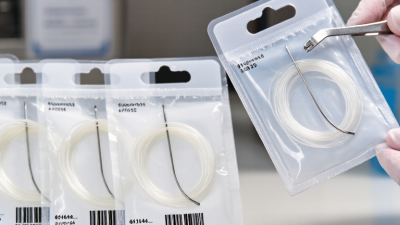
Choosing Polyglycolic Acid PGA Sutures in 2026 requires more than comparing price, color, or package quantity. Surgeons and purchasing teams must connect material behavior with tissue type, healing time, handling needs, and clinical workflow.
Industry reports show continued expansion in absorbable suture demand. Grand View Research’s absorbable sutures market analysis identifies minimally invasive procedures, surgical volume, and material innovation as major growth drivers. Fortune Business Insights reports similar trends, while noting that market estimates vary by product definition and region. That difference matters. A neat market ranking can still hide important clinical details.
PGA sutures are synthetic, absorbable materials that typically lose tensile strength through hydrolysis. Their predictable absorption profile may suit soft-tissue approximation when prolonged support is unnecessary. However, performance depends on coating, braid structure, diameter, sterilization, and the manufacturer’s validated specifications. Read the instructions for use carefully. Do not rely on material names alone.
Experienced clinicians often assess needle geometry, memory, knot security, drag, and visibility under operating-room lighting. Procurement teams should also review lot traceability, packaging integrity, shelf life, and quality documentation. Relevant evidence may include ISO 10993 biocompatibility testing, applicable USP requirements, and published product performance data. These documents do not replace clinical judgment.
The strongest selection process compares actual surgical scenarios. Skin closure differs from fascia, gynecology, oral tissue, or pediatric repair. Patient factors matter too. Infection risk, tissue tension, healing quality, and local practice can change the decision.
There is no universal best suture. That is the uncomfortable part. A reliable choice balances evidence, handling experience, validated specifications, and the surgeon’s informed judgment.
Read more »
 Suture PlanetSurgical Wound Closure