
Chromic Catgut Sutures: The B2B Sourcing & Technical Manual
An in-depth analysis of enzymatic breakdown dynamics, regulatory compliance, global procurement trends, and OEM capabilities for hospital networks and international distributors.
Understanding Chromic Catgut Sutures in Modern Surgery
Chromic Catgut Sutures remain an irreplaceable absorbable material in global healthcare procurement, offering unique handling dynamics, rapid initial strength, and predictable enzymatic breakdown for soft tissue approximation.
Purified Collagen Structure and Chromic Tanning Mechanics
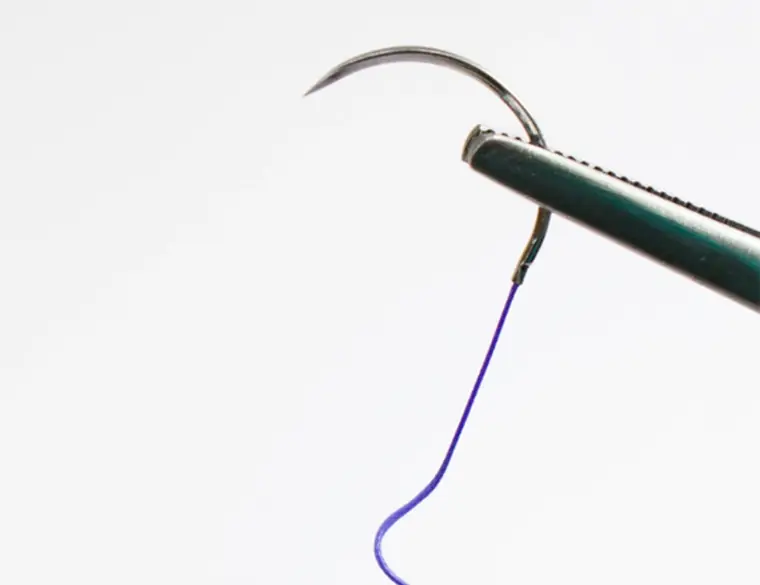
Chromic Catgut Sutures are natural absorbable strands manufactured from highly purified collagen ribbons derived from the submucosal layer of bovine intestines (Bos taurus) or the mucosal layer of ovine intestines (Ovis aries). Unlike synthetic absorbable sutures—such as Polyglactin 910 or Polyglycolic Acid (PGA) which degrade via hydrolytic cleavage—Chromic Catgut undergoes in-vivo breakdown through an enzymatic digestion process mediated by endogenous proteolytic enzymes (cathepsins and collagenases).
To overcome the rapid degradation associated with untreated Plain Catgut, raw collagen strands undergo a proprietary chromic tanning procedure using trivalent chromium salts (chromic trioxide solution). This process creates cross-links between the triple-helix collagen fibers. The primary technical advantages of this cross-linking process include:
- Extended Tensile Support: Delays enzymatic attack, maintaining functional wound support for 14 to 21 days compared to 7 to 10 days for Plain Catgut.
- Attenuated Tissue Reaction: Tanning reduces antigenicity by masking antigenic epitopes on the collagen backbone, resulting in a controlled inflammatory response.
- Smooth Surface Drag: Precision spinning and chemical polishing ensure smooth tissue passage without sawing or tearing delicate tissues during ligation.
Suture Planet manufactures Chromic Catgut under strict environmental parameters in Bengaluru, India. Each batch is conditioned in a special conditioning solution containing Isopropanol, Water, and Sodium Benzoate inside hermetically sealed foil envelopes, preserving thread pliability, knot memory, and elasticity without sacrificing pull-out strength.
Chromic Catgut vs. Synthetic Absorbables
A technical comparison for procurement officers, biomedical engineers, and surgical committee members evaluating wound closure materials.
| Performance Parameter | Chromic Catgut (Netgut Chromic) | Polyglactin 910 (Netcryl) | Polyglycolic Acid (Netsorb) | Polydioxanone (Netsynth) |
|---|---|---|---|---|
| Raw Material Composition | Purified Bovine/Ovine Collagen | Copolymer of 90% Glycolide & 10% L-lactide | 100% Polyglycolic Acid Polymer | 100% Poly(p-dioxanone) Monofilament |
| Degradation Mechanism | Proteolytic Enzymatic Digestion | Hydrolytic Degradation | Hydrolytic Degradation | Hydrolytic Degradation |
| 50% Tensile Retention | 14 – 21 Days | 21 Days | 14 – 21 Days | 28 – 30 Days |
| Full Absorption Time | Approx. 90 Days | 56 – 70 Days | 60 – 90 Days | 180 – 210 Days |
| Knot Security & Pliability | Exceptional natural knot grip; high elasticity | Excellent knot security; braided structure | High initial tensile strength; smooth knotting | Monofilament memory; requires extra throws |
| Fluid Conditioning Requirement | Required (IPA + Water solution) | Dry foil seal (No conditioning fluid) | Dry foil seal (No conditioning fluid) | Dry foil seal (No conditioning fluid) |
| Primary Surgical Indications | OB/GYN, Urological, Gastrointestinal, Mucosa | General Soft Tissue, Ophthalmic, Gastrointestinal | General Surgery, Orthopaedic Ligation, Gynaecology | Fascial Closure, Pediatric Cardiovascular, Orthopaedics |
Note: Tensile strength retention profiles are subject to tissue environment, vascularity, and patient enzymatic metabolic variations. Detailed regulatory validation dossiers are available upon request from Suture Planet's export division.
Chromic Catgut Suture Lineup & Specifications
Suture Planet delivers a comprehensive catalog of Chromic Catgut configurations across all standard USP and EP sizes, equipped with high-performance 302/304 series stainless steel needles.
Netgut Chromic - General Surgery
Bovine Collagen · Tanned · Natural Strand
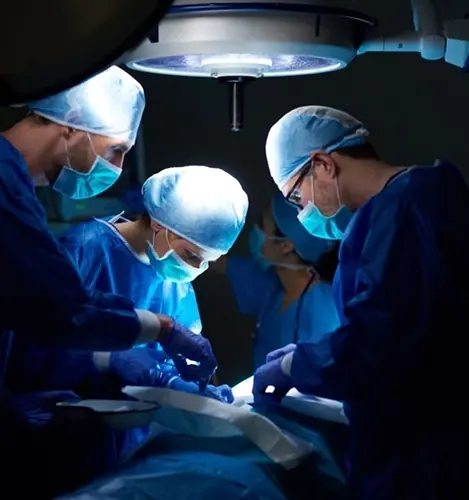
Engineered for general tissue approximation, ligations, and abdominal cavity procedures where moderate absorbable wound support is mandated.
Netgut Chromic - OB/GYN Special
High Pliability · Rapid Absorption Balance
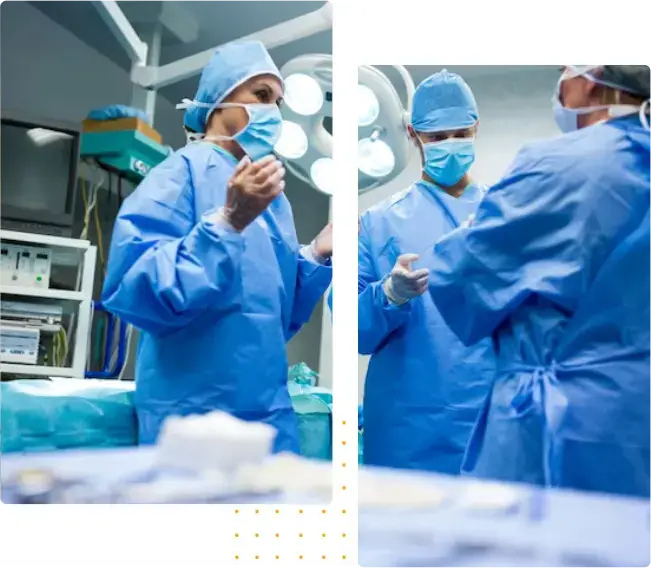
Optimized for episiotomy repair, uterine wall suturing, and vaginal mucosa closure with minimal post-operative patient discomfort.
Netgut Chromic - Urological
Non-Stone Forming Collagen Matrix
Formulated for urinary tract procedures where synthetic non-absorbable or slow-degrading materials risk crystallisation and calculus formation.
Netgut Micro Chromic
Ultra-Fine Strand · Precision Swaged
Delicate microsurgical and ophthalmic wound closure requiring smooth enzymatic absorption without leaving persistent material foreign bodies.
Future Procurement & Industry Development Trends for Catgut Sutures
As international medical device regulations evolve, purchasing directors and healthcare importers must navigate changing compliance frameworks, supply chain dynamics, and clinical preference shifts.
1. Stringent BSE/TSE Origin Compliance
Global regulatory bodies (including US FDA, EU MDR, and Latin American ANVISA) require rigorous verification of animal tissue sources. Future procurement contracts will universally demand EDQM Certificates of Suitability (CEP) or official veterinary health attestations confirming closed-herd sourcing from BSE-free geographic zones.
2. Polarization between Emerging & Western Markets
While European surgical centers increasingly adopt synthetic absorbable polymers (such as PGA and PGCL) due to local regulatory hurdles on animal products, demand for Chromic Catgut is accelerating across Asia-Pacific, the Middle East, Latin America, and Africa due to its unrivaled knot security, cost efficiency, and surgeon habituation.
3. Fully Integrated Supply Chain Security
Supply shocks in raw animal mucosa have highlighted the risks of multi-tiered contract manufacturing. Suture Planet's single-site manufacturing infrastructure in Bengaluru ensures direct control from raw collagen ribbon processing to final EO sterilization, eliminating external supply vulnerabilities for tender partners.
4. Transition to Advanced Fluid Foil Packaging
Historical issues with thread stiffness and dry-out are being resolved through next-generation aluminum foil sealing technologies. Automated fluid-dosing systems maintain precise Isopropyl Alcohol (IPA) concentrations inside the primary foil, preserving tensile flexibility and preventing micro-cracking during long-term tropical storage.
5. Expansion of OEM Private-Label Programs
Regional medical device brand owners are shifting away from expensive western conglomerates toward direct contract manufacturing. Custom box branding, multi-language IFU creation, and localized GS1 / UDI barcode integration allow distributors to capture up to 45% higher gross margins in municipal hospital tenders.
6. Environmental & Eco-Audit Demands
Public health purchasing authorities are beginning to score suture suppliers on manufacturing sustainability. In-house effluent treatment plants (ETP), reduced plastic secondary packaging, and energy-efficient Ethylene Oxide (EO) sterilization cycles are becoming critical evaluation criteria in major procurement bids.
Why Global Importers and Tender Agencies Partner with Suture Planet
At Suture Planet, wound closure is not merely assembled—it is transparently documented and engineered from raw polymer or raw collagen ribbon to the final sterile box. Headquartered in Yeshwanthpur, Bengaluru, Karnataka, India, our state-of-the-art facility operates strictly under ISO 13485:2016, ISO 9001:2015, and WHO-GMP guidelines.
We empower surgical importers and tender holders across 50+ countries by eliminating regulatory friction. Every production lot of Chromic Catgut Sutures undergoes rigorous quality control testing in accordance with USP and European Pharmacopoeia monographs, including:
- Needle Attachment Pull-Out Strength: Verified via digital tensiometers to ensure swage integrity exceeds standard USP limits.
- Diameter & Ovality Testing: Laser micrometers verify uniformity across the entire strand length to prevent tissue drag.
- Sterility Validation: Ethylene Oxide (EO) cycles validated to achieve a Sterility Assurance Level (SAL) of 10⁻⁶ per ISO 11135.
- Ethylene Oxide Residual Analysis: Gas chromatography checks ensure EO and ECH residuals remain well below ISO 10993-7 thresholds.
Frequently Asked Questions on Chromic Catgut Sourcing
In-depth responses to critical technical, regulatory, and commercial inquiries submitted by healthcare procurement teams, regulatory officers, and surgical distributors worldwide.
1. What is the precise absorption mechanism of Chromic Catgut compared to synthetic absorbable sutures?
2. How does chromic salt tanning alter tissue reaction and enzymatic digestion speed?
3. What BSE/TSE certifications must accompany exports of Chromic Catgut Sutures?
4. Why are Chromic Catgut Sutures packed in conditioning liquid, and how does it affect shelf life?
5. What are the key clinical differences between Plain Catgut and Chromic Catgut?
6. Does Suture Planet support OEM private-label production for Chromic Catgut Sutures?
7. What regulatory documents are provided for ministry registration and public tenders?
8. What are typical minimum order quantities (MOQ) and shipment lead times?
Partner with a Certified Chromic Catgut Manufacturer
Expand your surgical product portfolio with ISO 13485 & WHO-GMP certified Chromic Catgut Sutures. Request technical dossiers, pricing schedules, and evaluation samples today.