Featured Portfolio
Surgical Hernia Repair Mesh Series
Precision-engineered warp-knitted monofilaments, pre-cut anatomical sheets, and hospital-grade surgical implant solutions.
Medical Stainless
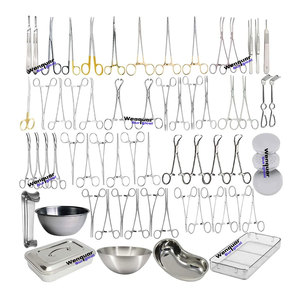
Premium Stainless Steel Manual Hernia Repair Mesh
Heavy-duty structural stabilization for severe abdominal wall defects and specialized traumatic fascial reconstructive procedures.
High Tensile
Hospital Grade
316L Alloy
Get Catalog
ISO Approved
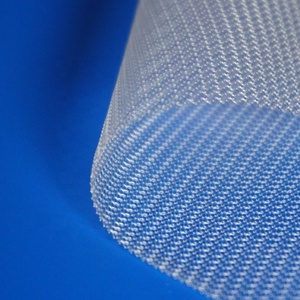
Polypropylene Hernia Mesh for Inguinal Hernia Repair
Macroporous monofilament polypropylene construct facilitating rapid fibroblastic tissue ingrowth and long-term abdominal wall support.
Monofilament
Macroporous
ISO 13485
Get Catalog
CE & ISO13485
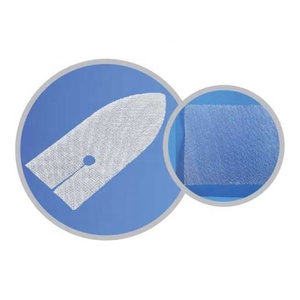
Factory Direct Pre-cut Polypropylene Mesh for Laparoscopy
Precision laser-sealed pre-cut contours optimized for TAPP and TEP laparoscopic inguinal and ventral hernia repair procedures.
Laparoscopic
Laser-Cut Edge
Pre-Cut Formats
Get Catalog
Veterinary Care
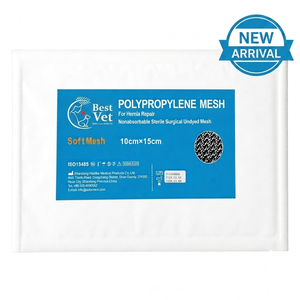
Veterinary Non-Absorbable Polypropylene Hernia Mesh
Specialized biocompatible polypropylene grid tailored for canine and feline abdominal wall hernia repair and pet surgery operating suites.
Veterinary Use
Flexible Grid
Non-Absorbable
Get Catalog
Fascial Implant
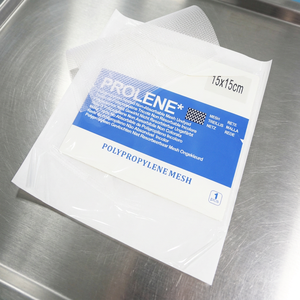
Surgical Polypropylene Implant for Inguinal & Ventral Defects
Standard sheet dimensions (15x15cm, 10x15cm) designed for tension-free repair of incisional, fascial, and umbilical wall defects.
15x15cm Sheet
Ventral Repair
Tension-Free
Get Catalog
EO Sterilized
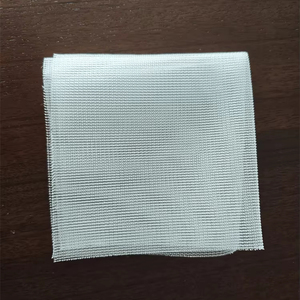
Medical Safety Polypropylene Mesh (Non-Toxic & Non-Allergenic)
Ultra-pure virgin polypropylene substrate validated under ISO 10993 cytotoxicity and sensitization protocols with 10⁻⁶ SAL sterility.
SAL 10⁻⁶ Sterility
Biocompatible
Non-Allergenic
Get Catalog
Class II Pack
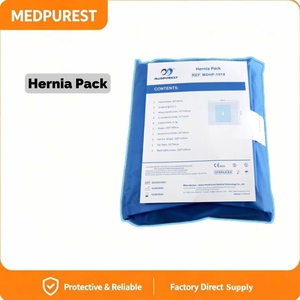
Disposable Hernia Surgical Pack with Customized Sterile Drape
Comprehensive hospital OR pack including pre-sized polypropylene mesh, sterile surgical drapes, and procedural accessories for rapid setup.
OR Kit Bundle
Sterile Drape
Class II Medical
Get Catalog
Abdominal Mesh
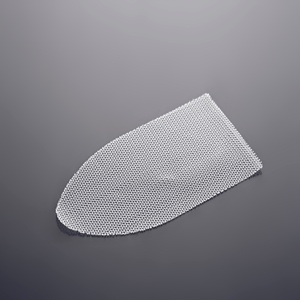
High Quality Polypropylene Abdominal Mesh (15x15cm / 30x30cm)
Large-format surgical mesh matrix offering superior mechanical burst strength and flexural compliance for extensive abdominal wall reconstruction.
30x30cm Large
Burst Resistant
Abdominal Wall
Get Catalog
50+
Global Export Markets
100%
In-House Single Site Production
10⁻⁶
Validated EO Sterility SAL
ISO 13485
CE / EU MDR Regulatory Files
Global Surgical Mesh Sourcing: Strategic Overview for B2B Importers
The global demand for synthetic hernia repair meshes, bio-absorbable matrices, and laparoscopic surgical scaffolds has experienced accelerating growth, driven by an aging global population, rising prevalence of abdominal wall defects, and the rapid adoption of tension-free repair techniques (such as Lichtenstein, TAPP, and TEP). As healthcare systems worldwide demand higher clinical efficacy at optimized procurement costs, China’s medical device manufacturing sector has emerged as a premier hub for high-precision, ISO 13485-certified polypropylene and composite hernia mesh production.
Sourcing directly from OEM/ODM China hernia mesh suppliers offers international hospital chains, government procurement agencies, and brand-name medical distributors significant competitive advantages in cost structure, regulatory agility, and product customization. However, navigating the global supply chain requires deep technical understanding of material polymerology, mechanical performance parameters (burst strength, pore size, weight classification), and stringent compliance frameworks including EU MDR 2017/745, US FDA 510(k), and WHO-GMP audits.
Market Outlook 2025–2035
Future Procurement Trends in Hernia Mesh Manufacturing
Analyzing key paradigm shifts in international B2B medical supply chains, surgeon preferences, and material specifications.
Shift Toward Lightweight & Macroporous Architecture
Hospital procurement departments are rapidly phasing out traditional heavyweight, small-pore meshes in favor of lightweight (< 45 g/m²) and macroporous (> 1.5 mm pore size) monofilament polypropylene. Clinical evidence confirms macroporous structures reduce chronic post-operative pain, diminish foreign body reaction, and promote elastic collagen deposition.
Surge in Bio-Resorbable & Composite Matrices
The industry is experiencing expanding demand for hybrid composite meshes combining permanent monofilament polypropylene with resorbable barriers (such as PGA, PCL, or oxidized regenerated cellulose). These dual-sided matrices prevent visceral adhesion during intraperitoneal placement (IPOM), unlocking new opportunities for premium surgical brand tenders.
Anatomical 3D Pre-Shaped Mesh Standardization
Modern surgical workflow demands ergonomically pre-contoured meshes that conform to the groin anatomy without requiring tedious intraoperative trimming. Pre-shaped inguinal plugs, keyhole meshes, and 3D laparoscopic constructs significantly reduce operative duration and lower recurrence rates, making them high-priority SKUs for international distributors.
Future Technological & Material Development Trends
1. Nanofiber Electrospinning & Surface Functionalization
Next-generation hernia mesh research focuses on surface functionalization using electrospun polymeric nanofiber coatings. By creating biomimetic nanostructures on standard monofilaments, researchers can deliver controlled anti-inflammatory agents, accelerate mesothelialization, and drastically reduce capsule contracture during long-term tissue integration.
2. Titanized Polypropylene (TiMesh) Technology
Plasma-assisted coating of medical-grade titanium onto monofilament polypropylene fibers creates a biopassive surface layer. Titanized meshes demonstrate dramatically lower cell toxicity, reduced inflammatory marker release, and enhanced hydrophilic compliance, positioning them as the golden standard for high-end abdominal wall surgical repairs.
3. Antimicrobial & Drug-Eluting Mesh Constructs
Surgical site infections (SSIs) remain a major concern in complex contaminated hernia repairs. Advanced manufacturing lines are integrating broad-spectrum antimicrobial agents (such as Triclosan, silver nanoparticles, or eluting chlorhexidine matrices) directly into the polymer sheath, delivering localized bactericidal protection during the critical initial 14-day post-operative window.
Technical Reference
Hernia Repair Mesh Specification & Comparison Matrix
Comparative benchmark of material properties, pore size distributions, mechanical strengths, and clinical indications.
| Mesh Category |
Base Polymer |
Weight (g/m²) |
Pore Size (mm) |
Burst Strength (kPa) |
Tissue Reaction |
Primary Indication |
| Heavyweight Standard |
Virgin PP Monofilament |
80 – 100 g/m² |
0.6 – 1.0 mm |
> 220 kPa |
Moderate Foreign Body |
Large Incisional & Traumatic Defect |
| Medium-Weight Standard |
Virgin PP Monofilament |
50 – 65 g/m² |
1.0 – 1.8 mm |
> 180 kPa |
Low Inflammatory |
Primary Inguinal & Umbilical Repair |
| Lightweight Macroporous |
Virgin PP Monofilament |
28 – 45 g/m² |
2.0 – 3.5 mm |
> 140 kPa |
Minimal Fibrotic Capsule |
Tension-Free Lichtenstein, TAPP / TEP |
| 3D Pre-Shaped Plug / Keyhole |
Pre-Formed PP Monofilament |
55 – 75 g/m² |
1.2 – 2.0 mm |
> 160 kPa |
Anatomical Fit |
Femoral & Inguinal Ring Repair |
| Composite Anti-Adhesion |
PP + PGA / ORC Barrier |
90 – 120 g/m² |
Dual Structure |
> 200 kPa |
Visceral Protection |
Intraperitoneal Onlay Mesh (IPOM) |
| Veterinary Grade Scaffold |
Medical PP / PET Grid |
45 – 70 g/m² |
1.5 – 2.5 mm |
> 150 kPa |
High Elasticity |
Canine / Feline Fascial Repair |
Manufacturing Leadership
Our China Factory OEM Capabilities & Quality Systems
Combining vertically integrated extrusion, cleanroom processing, and comprehensive regulatory documentation.
Single-Site Integrated Manufacturing
From raw medical-grade polypropylene resin pellet extrusion, precision warp knitting, laser cutting, to cleanroom primary foil seal packaging—every stage runs inside our controlled ISO Class 8 (Class 100,000) cleanrooms under strict quality checkpoints.
ISO 13485 & CE Regulatory Dossiers
We provide full technical documentation for national Ministry of Health registrations, including ISO 13485:2016 certificates, CE / EU MDR Technical Files, Free Sale Certificates (FSC), ISO 10993 biocompatibility test data, and Certificate of Analysis (CoA) per lot.
Custom OEM Packaging & Private Labeling
Full support for private-label brand partners, including customized peelable sterile pouch printing, multi-language Instructions for Use (IFU), GS1-compliant UDI barcodes, customized sheet size cutting, and pre-sterilized hospital procedural surgical tray bundles.
B2B Procurement Desk
Frequently Asked Questions for Sourcing & Imports
Direct answers to common technical, logistics, and regulatory inquiries from international healthcare buyers.
What medical-grade raw materials are utilized in your hernia mesh production?
We utilize 100% virgin medical-grade polypropylene (PP) monofilament resin sourced from audited, ISO-certified medical polymer manufacturers. Our materials undergo stringent USP Class VI and ISO 10993 biocompatibility testing, ensuring zero toxic plasticizers, non-allergenic response, and long-term chemical inertness inside human tissue.
Which regulatory files and certificates do you provide for distributor import registration?
We furnish comprehensive registration packs containing ISO 13485:2016 Quality Management System certification, CE Mark Technical Files (EU MDR 2017/745 ready), Free Sale Certificate (FSC), WHO-GMP audit reports, EO Sterilization Validation reports (ISO 11135), packaging shelf-life validation data (ISO 11607), and full biocompatibility dossiers.
Can you manufacture custom hernia mesh sizes, shapes, and pore configurations?
Yes, as a direct China factory supplier, we offer complete OEM/ODM customization. We can adjust the warp-knitting density, customize grammage (from 28 g/m² ultralight to 100 g/m² heavyweight), precision laser-cut sheet dimensions (e.g., 6x11cm, 10x15cm, 15x15cm, 30x30cm), and manufacture 3D pre-shaped anatomical plugs or keyhole shapes according to your CAD drawings.
How is sterility guaranteed and what is the typical shelf-life of finished goods?
Every production lot is subjected to validated Ethylene Oxide (EO) sterilization in accordance with ISO 11135, achieving a certified Sterility Assurance Level (SAL) of 10⁻⁶. Individual meshes are sealed inside medical-grade aluminum peelable foil pouches or Tyvek/film packaging within ISO Class 8 cleanrooms, supporting a validated 5-year sterile shelf life when stored under recommended conditions.
What are your standard minimum order quantities (MOQ) and production lead times?
For standard catalogue codes (such as 15x15cm polypropylene sheets), our minimum order quantity starts at 500 units, with typical shipping lead times of 2 to 3 weeks. Private-label OEM packaging programmes require initial artwork sign-off and tooling, usually running 4 to 6 weeks for the initial batch, with accelerated 2-week dispatch cycles on repeat contracts.
How do you prevent fraying along mesh edges during surgical manipulation?
All our surgical meshes are cut using automated high-precision thermal laser cutters. The localized thermal energy seals the monofilament knitted loops at the outer border, creating smooth, non-fraying sealed edges that prevent strand shedding, maintain structural integrity, and allow surgeons to trim the mesh intraoperatively without compromising mesh stability.
Do you offer pre-shipment sample testing and lot-specific Certificates of Analysis (CoA)?
Absolutely. We supply sample packs for physical inspection, tensile strength testing, and surgeon evaluation upon request. Furthermore, every commercial delivery includes a lot-specific Certificate of Analysis detailing burst pressure, unit weight, pore distribution, EO gas residual limits (per ISO 10993-7), and sterility test results.
What OEM brand packaging options are available for hospital distributors?
We provide complete turnkey private labeling services. Options include custom-printed outer unit boxes with your brand logo, custom foil pouches, multi-language Instructions for Use (IFU) leaflets, custom GS1-128 or DataMatrix UDI barcode label generation, and customized shipping carton packaging formatted for sea or air freight.
Partner with a Certified China Wholesale Hernia Mesh Manufacturer
Direct factory pricing, comprehensive technical dossiers, and turnkey OEM/ODM customization for hospital distributors and tender buyers worldwide.
 Suture PlanetSurgical Wound Closure