ISO 13485:2016 • CE Certified Sourcing

Top China Surgical Mesh Suppliers & Exporters

Technical Whitepaper & Strategic Sourcing Guide: Material Innovations, Regulatory Compliance, and Global Supply Chain Evaluation for High-Performance Wound Closure Systems

Medical Grade Portfolio

Export-Ready Surgical Sutures & Wound Closure Solutions

Manufactured under ISO 13485:2016 and WHO-GMP standards with validated ethylene oxide sterilization and complete lot-to-polymer traceability.

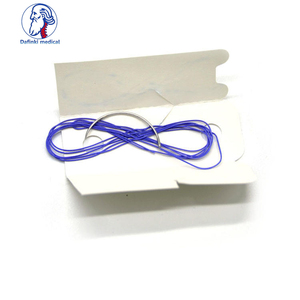
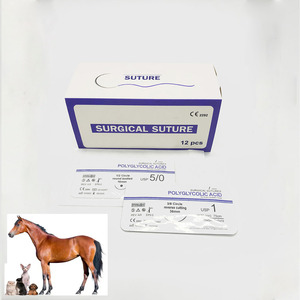
Absorbable Veterinary Surgical Suture Absorbable PGA PGLA 910 Sterile Animal Suture

Veterinary Surgical Suture Absorbable PGA PGLA 910 Sterile Animal Suture

PGA / PGLA 910 EO Sterilized
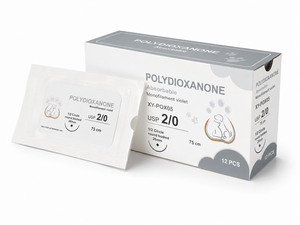
Braided Polyglycolic Acid Absorbable Braided Surgical Suture XY-POX05

Polyglycolic Acid Absorbable Braided Surgical Suture XY-POX05 75cm

High Tensile 75cm Thread
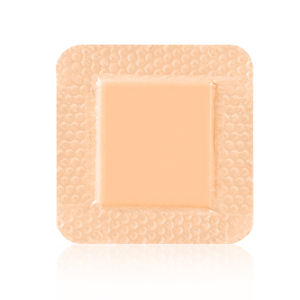
Wound Care Medical Absorbent Wound Suture Waterproof Breathable Silicone Foam Dressing

Medical Absorbent Wound Suture Waterproof Silicone Foam Dressing

Silicone Foam Breathable
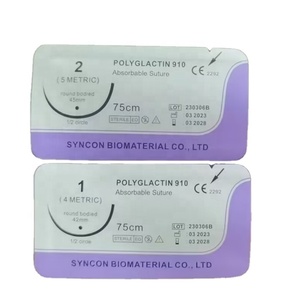
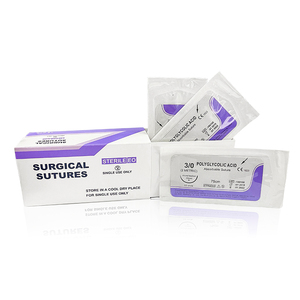
Catgut & Synthetic Absorbable 3-0 4-0 Polyglactin 910 Chromic Catgut Suture

Absorbable 3-0 4-0 Polyglactin 910 Chromic Catgut Suture with Needle

USP 3-0 / 4-0 Chromic / PGLA
Suture Kits Risenmed Medical Consumables Absorbable Surgical Sutures Kit Threads

Risenmed Medical Consumables Absorbable Surgical Sutures Kit Threads PGLA910

Complete Kit Multi-Specification
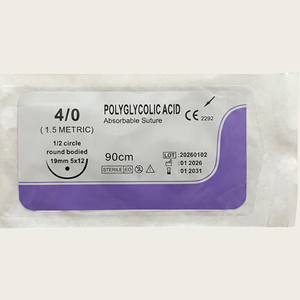
High Strength High Tensile Strength Absorbable PGA Suture Thread CE Certified

High Tensile Strength Absorbable PGA Suture Thread CE Certified

CE Certified Long Shelf Life
Factory Direct Medical Absorbable POLYGLYCOLIC ACID PGA Surgical Suture with Needle

China Factory Medical Absorbable PGA Surgical Suture with Precision Needle

OEM Supply Precision Needle
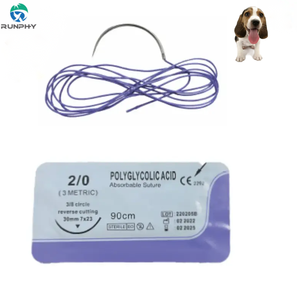
Veterinary Grade RUNPHY HC002 Medical Veterinary Suture Absorbable Polyglycolic Acid PGA

RUNPHY HC002 Medical Veterinary Absorbable PGA Surgical Suture Disposable

Disposable Clinical Grade
50+
Export Destinations
Supplying ministry tenders, hospital networks, and OEM partners worldwide.
100%
USP & EP Compliance
Full batch testing for tensile pull-out strength, knot security, and needle swaging.
10⁻⁶
Sterility Assurance Level
Validated Ethylene Oxide (EO) sterilization cycles per ISO 11135 standard.
120+
Needle Geometries
300 series stainless steel needles in taper, reverse cutting, and micro-point.
Strategic Sourcing Analysis

The Evolution of Surgical Mesh & Wound Closure Sourcing from China

In the contemporary landscape of global medical device procurement, evaluating top China surgical mesh suppliers and exporters requires going far beyond basic unit price metrics. The global hernia repair and soft-tissue reconstruction mesh market—projected to exceed USD 4.8 Billion by 2030—is undergoing a profound transformation driven by advanced polymer chemistry, strict international regulatory frameworks (such as EU MDR 2017/745 and US FDA 510(k)), and automated manufacturing techniques.

Polymer Biocompatibility

Modern Chinese exporters utilize medical-grade polypropylene (PP), polyglycolic acid (PGA), polyglactin 910 (PGLA), and polydioxanone (PDO) resins with ultra-low monomer residue, minimizing acute foreign-body tissue reactions.

Macroporous Architecture

Shift from heavyweight microporous structures to lightweight macroporous meshes (>75 μm pore size) promoting rapid tissue ingrowth, collagen deposition, and reduced chronic postoperative pain.

Turnkey Technical Files

Leading manufacturers provide complete registration dossiers including Biocompatibility Reports (ISO 10993 series), EO Sterilization Validation (ISO 11135), and Clinical Evaluation Reports (CER).

Critical Information Gain: Pore Geometry & Foreign Body Reaction (FBR)

The primary cause of hernia mesh failure and patient discomfort is post-implantation mesh shrinkage caused by excessive fibrous scar tissue formation. Historical heavyweight meshes (density >90 g/m²) with small pores (<50 μm) trigger intense macrophage infiltration. Premier Chinese exporters have transitioned to warp-knitted monofilament polypropylene constructs with spatial pore sizes between 1.0 mm and 3.0 mm and densities below 45 g/m², ensuring optimal flexibility, rapid physiological tissue integration, and shrinkage rates under 8%.

Material Science Benchmarks

Comparative Engineering Matrix: Surgical Mesh & Suture Polymers

A rigorous breakdown of key physical, mechanical, and biological properties comparing synthetic absorbable and non-absorbable materials manufactured by premier exporters.

Polymer Specification Filament Structure In-Vivo Tensile Retention Complete Absorption Time Pore / Density Range Primary Clinical Indication
Polypropylene (PP) Mesh Monofilament (Knitted) Permanent (100% at 10+ yrs) Non-Absorbable 1.2 - 2.5 mm / 32-65 g/m² Inguinal & Ventral Hernia, Abdominal Wall Reconstruction
Polyglactin 910 (PGLA) Braided & Coated 75% at 14 days / 50% at 21 days 56 - 70 Days N/A (Suture Thread) General Soft Tissue Approximation, OB/GYN, Gastrointestinal
Polyglycolic Acid (PGA) Braided & Coated 65% at 14 days / 40% at 21 days 60 - 90 Days N/A (Suture Thread) Subcuticular Closure, Ophthalmic, Veterinary Surgery
Polydioxanone (PDO / PDS) Monofilament 75% at 14 days / 50% at 28 days 180 - 210 Days N/A (Extended Support) Fascia Closure, Orthopedic Ligament Repair, Pediatric Cardiac
Composite (PP + PGLA / PGA) Hybrid Monofilament / Braided 50% at 14 days (Absorbable component) Partial (Resorbable Layer 56d) 1.5 - 3.0 mm / 28-40 g/m² Intraperitoneal Repair (IPOM), Anti-Adhesion Barrier Implants
Industry Horizon 2026-2030

Key Procurement & Manufacturing Trends in Surgical Devices

Strategic foresight for hospital purchasing managers, medical device importers, and OEM brand owners sourcing from China's medical manufacturing hubs.

1. Antimicrobial & Drug-Eluting Meshes

Surgeons are increasingly specifying surgical meshes and sutures integrated with broad-spectrum antimicrobial agents (such as Chlorhexidine, Silver Nanoparticles, or Triclosan). Chinese R&D facilities are spearheading controlled-release coatings that prevent Surgical Site Infections (SSIs) without compromising polymer tensile strength.

2. 3D Anatomical Pre-Shaped Implants

Flat mesh sheets require extensive intraoperative cutting, which creates rough edges and increases procedure time. The procurement trend is shifting rapidly toward 3D preshaped inguinal meshes featuring anatomical contours, keyhole cuts for the spermatic cord, and sealed laser edges that eliminate fraying.

3. Automated Cleanroom Swaging & Knitting

Top China suppliers have phased out manual needle swaging in favor of high-speed multi-axis automated robotics in Class 100,000 (ISO Class 8) cleanrooms. This ensures consistent needle attachment pull-out forces exceeding USP monographs by over 20% while eliminating human contamination.

4. Sustainable & Traceable Packaging

With stringent global environmental regulations, medical packaging is evolving. Premium Chinese exporters utilize recyclable medical-grade Tyvek pouches and double-foil barrier packs equipped with GS1-compliant Unique Device Identification (UDI) barcodes for seamless hospital inventory tracking.

Manufacturing Authority & Reliability

Why Partner with Premier Chinese Medical Device Manufacturers

Uncompromising commitment to quality engineering, rigorous quality management systems, and transparent chain-of-custody documentation.

End-to-End In-House Production

From medical polymer granule extrusion and warp-knitting to laser shape cutting, needle swaging, and final EO sterilization—every production phase occurs within centralized, fully audited manufacturing facilities.

Strict Regulatory Compliance

Facilities operate under certified ISO 13485:2016 and ISO 9001:2015 QMS. Products hold CE mark certifications and conform strictly to United States Pharmacopeia (USP) and European Pharmacopoeia (EP) monographs.

Custom OEM & Private Label Programs

Complete flexibility for distributor brands: custom mesh dimensions, pre-cut shapes, specialized pore geometries, private-label foil printing, localized multi-language IFUs, and tailored box branding.

Quality Assurance & Lot Traceability Guarantee

Every single box of surgical mesh or sterile suture shipped carries a unique batch control code. This batch code enables complete 360-degree retrospective traceability back to the raw polymer resin lot, specific knitting machine parameters, cleanroom environmental monitoring logs, needle wire tensile test records, and the exact Ethylene Oxide (EO) sterilization chamber cycle chart. Test certificates (CoA) are supplied with every order.

Procurement FAQ

Frequently Asked Questions: Sourcing Surgical Mesh & Wound Closure Devices

Expert answers addressing regulatory approval, quality testing, custom OEM capabilities, shipping logistics, and clinical selection criteria.

1. What primary materials are used in high-quality Chinese surgical mesh manufacturing?
Leading Chinese exporters manufacture surgical meshes primarily using non-absorbable isotactic polypropylene (PP) monofilaments, as well as bioabsorbable polymers like Polyglycolic Acid (PGA) and Polyglactin 910 (PGLA). For advanced intraperitoneal hernia repairs, composite meshes featuring a permanent polypropylene structural layer combined with a bio-resorbable hydrogel or PGA anti-adhesion barrier are widely produced to prevent tissue attachment to visceral organs.
2. How do Chinese suppliers ensure the sterility and long shelf-life of surgical sutures and meshes?
Products undergo validated Ethylene Oxide (EO) sterilization processes compliant with ISO 11135 specifications, achieving an industry-gold-standard Sterility Assurance Level (SAL) of 10⁻⁶. Individual items are hermetically sealed inside primary aluminum foil packs or medical-grade Tyvek peel pouches that block moisture and atmospheric oxygen. Supported by real-time and accelerated aging stability studies per ASTM F1980 standards, products carry a guaranteed 5-year shelf life when stored below 25°C.
3. What regulatory documentation is provided for local health ministry registration?
For international distributors and tender bidders, top China exporters provide comprehensive technical registration dossiers. These dossiers include ISO 13485:2016 Quality Management Certificates, CE Certificates, Free Sale Certificates (FSC) issued by government authorities, Certificates of Analysis (CoA), ISO 10993 Biocompatibility Test Reports (cytotoxicity, sensitization, systemic toxicity), EO residual testing reports (ISO 10993-7), and validated Instructions for Use (IFU) in multiple languages.
4. Can I order custom sizes, pre-cut shapes, or OEM private-label branding?
Yes, full OEM and private-label customization is a core operational strength. Importers can specify non-standard mesh sheet dimensions (e.g., 6x11 cm, 15x15 cm, 30x30 cm), 3D pre-shaped anatomical configurations with sealed laser edges, custom USP suture needle/thread combinations (thread length 45cm to 150cm), customized box graphics, UDI barcodes, and private-brand foil packaging.
5. What is the technical difference between heavyweight microporous and lightweight macroporous mesh?
Heavyweight microporous mesh typically has pore sizes smaller than 50 microns and high weight (>90 g/m²), which can restrict vascularization and cause dense scar encapsulation, leading to mesh stiffness and postoperative pain. Modern lightweight macroporous mesh features pore sizes between 1.0 mm and 3.0 mm and low weight (<45 g/m²). This open architecture permits rapid macrophage passage, encourages natural tissue ingrowth, improves tissue compliance, and significantly reduces risk of chronic infection and mesh contraction.
6. What are typical minimum order quantities (MOQs) and production lead times for export?
For standard catalog items, standard export packaging MOQs are minimal, with dispatch typically occurring within 2 to 4 weeks. For custom OEM branding or private-label packaging programs requiring artwork printing plates, initial production runs usually require 4 to 6 weeks. Repeat orders for private-label products are streamlined to 2 to 3 weeks once artwork templates are on file.
7. How is needle-attachment (swage) strength tested for surgical suture products?
Every production batch undergoes automated tensile testing in accordance with USP (United States Pharmacopeia) and EP (European Pharmacopoeia) monographs. High-precision digital tension meters test the pull-out force required to separate the suture thread from the stainless steel needle swage zone. Batches are only released for sterile packaging if pull-out forces comfortably exceed mandatory USP minimum thresholds.
8. Which suture materials are recommended for skin closure versus fascia closure?
For dermal and subcuticular skin closure, fast-absorbing braided sutures (such as PGA Rapid or PGLA Rapid) or monofilaments like Poliglecaprone 25 are preferred to minimize scarring and eliminate the need for suture removal. For heavy load-bearing tissues such as abdominal fascia, monofilament Polydioxanone (PDO/PDS) is recommended due to its extended tensile strength retention (50% strength at 28 days, absorbed over 180-210 days), or non-absorbable Polypropylene where permanent wall support is required.

Request Factory-Direct Quotations & Technical Dossiers

Partner with China's leading certified manufacturers of surgical meshes, absorbable sutures, and wound closure devices. Get immediate assistance with product specifications, OEM customization, sample kits, and regulatory registration support.