ISO 13485:2016 & USP Compliant Sourcing

Absorbable Hemostat Factories & Exporter for United States

Enterprise-Grade Surgical Hemostats, PGA/PGLA Sutures, and Bio-Absorbable Closure Systems Engineered for US Hospitals, GPOs, and Medical Distributors.

Featured Absorbable Surgical Sutures & Hemostatic Products

Our surgical wound closure line features high-tensile absorbable polymers, precise swaged needles, and strict ethylene oxide (EO) sterilization designed for acute care, clinical veterinary surgery, and specialized operating rooms across North America.

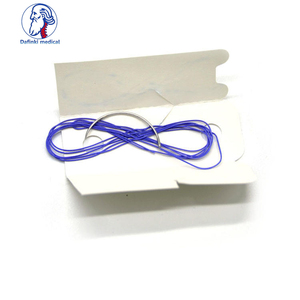
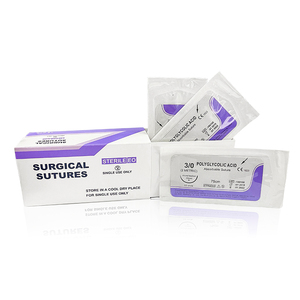
PGLA 910 Veterinary Surgical Suture Absorbable PGA PGLA 910

Veterinary Surgical Suture Absorbable PGA PGLA 910 Sterile Animal Suture

Coated braided Polyglactin 910 synthetic absorbable suture with precise needle swaging, providing 75% tensile strength retention at 14 days for optimal soft tissue approximation.

USP 8-0 to 2 EO Sterilized 56-70 Days Absorption
Get Catalog
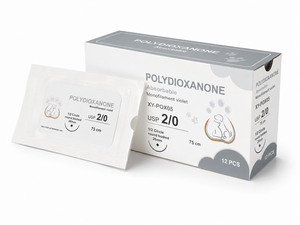
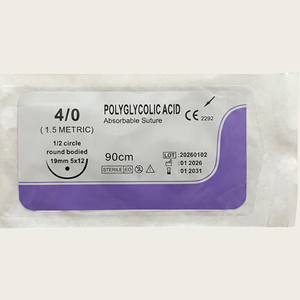
Braided PGA Polyglycolic Acid Absorbable Braided Surgical Suture XY-POX05

Polyglycolic Acid Absorbable Braided Surgical Suture XY-POX05 75cm Supply

100% Polyglycolic acid monofilament-coated suture delivering smooth tissue passage, predictable hydrolysis, and minimal tissue reaction in veterinary and clinical operations.

Polycaprolactone Coating 75cm Length High Initial Tensile
Get Catalog
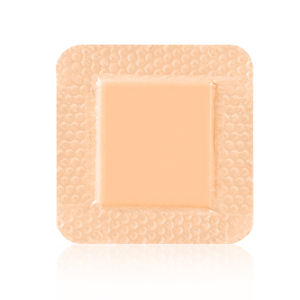
Wound Care Medical Absorbent Wound Dressing Silicone Foam

Medical Absorbent Wound Suture & Breathable Waterproof Silicone Foam Dressing

Advanced post-operative fluid management dressing paired with absorbable closure materials to accelerate wound healing and minimize surgical site infections.

Silicone Adhesive Exudate Control Waterproof Barrier
Get Catalog
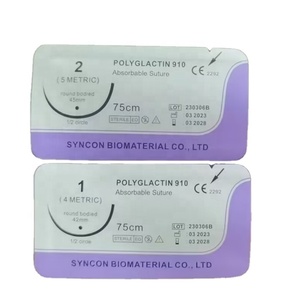
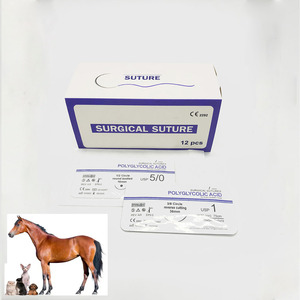
Chromic / PGA Absorbable Polyglactin 910 Chromic Catgut Surgical Suture

Absorbable 3-0 4-0 Polyglactin 910 & Chromic Catgut Suture with Needle

Precision-fitted surgical sutures formatted in 3-0 and 4-0 gauges with stainless steel curved needles for rapid mucosal and veterinary abdominal wall closures.

USP 3-0 / 4-0 Chromic Tanning Reverse Cutting
Get Catalog
Surgical Kit Risenmed Medical Consumables Absorbable Surgical Sutures Kit

Medical Consumables Absorbable Surgical Sutures Kit Polyglactin 910 Threads

Complete OEM multi-pack surgical suture kits engineered for surgical centers and trauma rooms requiring pre-sorted USP needle and thread configurations.

Multi-Pack Format PGLA 910 OEM Custom Label
Get Catalog
High Tensile High Tensile Strength Absorbable PGA Suture Thread

High Tensile Strength Absorbable PGA Suture Thread CE Certified for Clinics

Ultra-pure synthetic polyglycolic acid offering superior knot security, predictable linear degradation, and extended 5-year shelf life under controlled storage.

CE Certified Knot Security 5-Year Shelf Life
Get Catalog
Bulk Factory Sourcing China Factory Price Medical Absorbable PGA Surgical Suture

Direct Factory Medical Absorbable Polyglycolic Acid PGA Suture with Needle

Cost-effective, high-volume manufacturing solutions for international tenders and medical supply distributors requiring standardized USP suture materials.

Bulk OEM Supply Tender Ready Precision Swage
Get Catalog
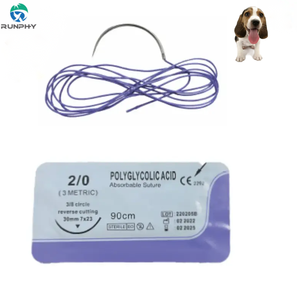
Disposable Veterinary RUNPHY HC002 Medical Veterinary Suture Absorbable PGA

RUNPHY HC002 Disposable Veterinary Suture Absorbable PGA Suture Needle

Sterile single-use surgical suture line tailored for veterinary surgery centers, presenting sterile primary foil packaging and high pull-out force stainless steel needles.

Single-Use Foil Vet Approved SAL 10⁻⁶ Sterility
Get Catalog
50+
Export Countries
100%
Single-Site Production
10⁻⁶
SAL EO Sterilization
120+
Needle Geometries

Bio-Absorbable Hemostat & Suture Technology in Modern Surgery

An engineering perspective on polymer degradation profiles, intraoperative hemostasis, and quality compliance for North American healthcare markets.

1. The Evolution of Intraoperative Hemostasis and Bio-Absorbable Polymers

In modern surgical procedures across the United States—ranging from high-volume cardiovascular interventions to outpatient orthopedic surgeries—achieving rapid, dependable intraoperative hemostasis while minimizing tissue trauma is paramount. Absorbable hemostats, primarily constructed from Oxidized Regenerated Cellulose (ORC), purified collagen matrices, or synthetic bio-polymers like Polyglycolic Acid (PGA) and Polyglactin 910 (PGLA), serve a critical dual role: controlling capillary, venous, and small arteriole bleeding where ligation is impractical, and providing temporary structural tissue approximation.

The biochemical mechanism of synthetic absorbable polymers relies on progressive hydrolytic degradation. Unlike natural collagen or catgut materials, which undergo enzymatic breakdown leading to unpredictable absorption rates and heightened cellular inflammation, synthetic polymers such as PGA and PGLA 910 degrade into non-toxic monomeric sub-products (glycolic and lactic acid). These monomers are readily metabolized via the Krebs cycle and excreted as carbon dioxide and water. For US surgical teams and Group Purchasing Organizations (GPOs), establishing consistent degradation kinetics is vital for preventing post-operative surgical site infections (SSIs) and granuloma formations.

2. Material Science Comparison: PGA, PGLA 910, PDO, and ORC Matrix

Understanding the distinction between various bio-absorbable substrates allows procurement teams to align their inventory with specific surgical sub-specialties:

• Polyglycolic Acid (PGA): A high-molecular-weight linear homopolymer. Braided PGA sutures possess exceptional initial tensile strength, retaining approximately 65-75% of original strength at 14 days post-implantation. Complete hydrolytic absorption occurs between 60 to 90 days. Ideal for general soft tissue approximation and gynecology.

• Polyglactin 910 (PGLA 910): A copolymer composed of 90% glycolide and 10% L-lactide, coated with Polycaprolactone and Calcium Stearate. This specialized coating significantly reduces tissue drag during pass-through and ensures smooth knot rundown without sacrificing knot security. Tensile retention profiles mirror PGA, making it a benchmark material across US acute care hospitals.

• Polydioxanone (PDO/PDS): A polyester monofilament designed for extended wound support. PDO retains roughly 70% tensile strength at 14 days and 50% at 28 days, undergoing complete absorption over 180 to 210 days. It is extensively utilized in abdominal wall closure, pediatric cardiovascular procedures, and fascial repair.

• Oxidized Regenerated Cellulose (ORC) Hemostats: Plant-based cellulose transformed through controlled oxidation into a pliable, absorbable fabric. Upon contact with blood, ORC absorbs fluid, swells into a gelatinous mass, and acts as a physical matrix for clot formation while exerting an intrinsic low-pH antimicrobial effect against hospital-acquired pathogens.

Absorbable Material Performance & In-Vivo Specs

Material Family Structure & Coating In-Vivo Tensile Retention Absorption Timeframe Primary Clinical Applications
PGLA 910 (Polyglactin) Braided; Polycaprolactone + Calcium Stearate 75% @ 14 days / 50% @ 21 days 56 – 70 Days General Surgery, OB/GYN, Gastrointestinal, Urology
Polyglycolic Acid (PGA) Braided; Polycaprolactone coated 70% @ 14 days / 40% @ 21 days 60 – 90 Days Soft Tissue Ligation, Ophthalmic, Veterinary Surgery
Polydioxanone (PDO) Monofilament; Uncoated 70% @ 14 days / 50% @ 28 days 180 – 210 Days Fascial Closure, Orthopedics, Pediatric Cardiology
Poliglecaprone 25 Monofilament; Uncoated 60% @ 7 days / 30% @ 14 days 91 – 119 Days Subcuticular Skin Closure, Plastic & Reconstructive
Chromic Catgut Twisted Natural Collagen; Chromic Salt Tanned Variable (Support for 14 – 21 days) Approx. 90 Days Mucosal Closure, Veterinary Ligation, Dental Surgery

Why US Healthcare Buyers Partner with Suture Planet

Our fully integrated single-site manufacturing facility in Bengaluru, India delivers total traceability, rigorous USP compliance, and regulatory documentation ready for FDA registration dossiers.

USP & EP Monograph Testing

Every batch of absorbable suture material undergoes automated tensile testing, knot-pull force evaluation, and needle swage pull-out verification matching strict United States Pharmacopeia (USP) standards.

Single-Site Integrated Facility

From raw polymer extrusion, precision braiding, and coating to laser needle drilling, automated swaging, and final EO sterilization—all operations execute under one roof for complete chain-of-custody control.

Full Regulatory Technical Files

We provide comprehensive registration dossiers including ISO 13485:2016 certificates, CE / EU MDR technical reports, WHO-GMP compliance, Free Sale Certificates (FSC), and ISO 10993 biocompatibility data.

Resilient US Export Supply Chain

Streamlined logistics with buffer stock programs for high-volume hospital networks, emergency surgical supply distributors, and private-label OEM partners across all 50 US states.

Validated EO Sterilization (SAL 10⁻⁶)

Sterilization processes are validated per ISO 11135, ensuring a Sterility Assurance Level of 10⁻⁶ with strictly monitored ethylene oxide residual limits following ISO 10993-7 guidelines.

OEM & Private Label Packaging

Custom needle-thread combinations, medical-grade aluminum primary foil sealing, customized UDI/GS1 barcodes, and multi-lingual Instructions for Use (IFU) tailored for US brand owners.

US Healthcare Landscape: Clinical Demand & Procurement Dynamics

Clinical Application Scenarios Across US Healthcare Facilities

The demand for high-performance absorbable surgical sutures and hemostatic products in the United States spans several distinct healthcare delivery environments:

1. Ambulatory Surgical Centers (ASCs): Outpatient surgical facilities in the US have experienced exponential growth. ASCs prioritize rapid patient recovery, predictable wound closure, and cost-efficient medical consumables. Products such as Poliglecaprone 25 monofilaments and PGLA 910 Rapid are heavily utilized in subcuticular skin closures, reducing post-operative revision visits and supporting high patient throughput.

2. Acute Care & Trauma Centers: Level I and II Trauma Centers require immediate access to strong, sterile hemostatic agents and high-gauge absorbable sutures (such as USP 1 and 2 braided PGA or PDO) capable of holding tension in deep abdominal, vascular, and orthopedic tissue layers during emergency resections.

3. Large Veterinary Surgical Hospitals: The US veterinary healthcare sector represents a major consumer of absorbable sutures. Companion animal surgeries (canine spay/neuter, feline soft-tissue operations) rely on pre-sterilized 3-0 and 4-0 PGA/PGLA sutures that offer fast enzymatic handling, reducing overall anesthesia exposure for pets.

US Procurement & Regulatory Trends for Medical Device Sourcing

Navigating the US medical supply chain requires aligning with evolving procurement trends and regulatory mandates:

• Diversification of Hospital Group Supply Chains: Historical reliance on single-source domestic conglomerates created vulnerability during recent global supply chain disruptions. US Integrated Delivery Networks (IDNs) and Group Purchasing Organizations (GPOs) actively seek secondary qualified direct-factory exporters who maintain audited ISO 13485 facilities and robust quality management systems.

• Total Cost of Ownership (TCO) Rationalization: Health system margin pressures have led supply chain directors to scrutinize brand premiums. Sourcing high-quality USP-compliant absorbable sutures from ISO-certified overseas factories allows US distributors to capture substantial margin improvements while maintaining surgical equivalency.

• FDA Compliance & UDI Barcoding Mandates: US medical device regulations demand strict Unique Device Identification (UDI) compliance, complete lot-level traceability, and detailed 510(k) premarket clearance files. Importers demand packaging with clear GS1 matrix barcodes, tamper-evident seals, and protective aluminum foil barrier pouches that preserve shelf-life integrity across diverse US climate zones.

Frequently Asked Questions by US Sourcing Managers

Essential technical, compliance, and logistical answers for medical device importers, GPOs, and hospital procurement officers in North America.

Are your absorbable hemostats and sutures compliant with US Pharmacopeia (USP) standards?
Yes. All our synthetic absorbable sutures (PGA, PGLA 910, PDO, Poliglecaprone 25) and natural catgut products are manufactured and batch-tested in accordance with USP and European Pharmacopoeia (EP) monograph specifications for diameter, tensile strength, needle attachment security, and sterility.
What documentation do you provide to support medical device registration in the United States?
We supply a complete regulatory dossier including ISO 13485:2016 certification, CE / EU MDR technical audit reports, WHO-GMP accreditation, Certificate of Analysis (CoA) per lot, ISO 10993 biocompatibility test data, and EO sterilization validation summaries (ISO 11135).
Can Suture Planet manufacture OEM and private-label products for US medical brands?
Absolutely. We offer complete OEM and private-label manufacturing services. This includes custom needle-thread combinations, client-branded primary aluminum foil packets, customized box artwork, UDI/GS1 barcodes, and multi-language packaging tailored specifically for US market branding.
How do you ensure needle attachment security during surgical procedures?
Our manufacturing facility utilizes high-precision laser-drilled stainless steel needles (300 and 400 series) paired with automated swaging equipment. 100% of production lots are sampled and subjected to destructive pull-out testing to ensure swage strength exceeds USP minimum limits prior to lot release.
What are the typical lead times for export shipments to the United States?
Standard catalog items typically dispatch within 2 to 4 weeks from order confirmation. Private-label and OEM orders require approximately 5 to 7 weeks for initial production (inclusive of packaging tooling and artwork sign-off), with expedited lead times for recurring schedule agreements.
How are products packaged to ensure sterile barrier integrity during long-distance shipping?
Sutures are hermetically sealed inside primary medical-grade aluminum foil pouches, housed within secondary peelable blister envelopes. These primary units are packed into sturdy display boxes and heavy-duty corrugated export shippers with moisture-desiccant protection to prevent hydrolytic degradation during ocean or air transit.
What is the shelf life and storage requirement for your PGA and PGLA sutures?
Our synthetic absorbable sutures carry a validated 5-year shelf life when stored in their original sealed foil packaging below 25°C (77°F) away from direct moisture and heat sources, supported by real-time and accelerated stability aging studies.
Can US buyers request product evaluation samples prior to placing bulk contracts?
Yes. We provide sample evaluation packs for hospital trial boards, veterinary clinics, and distributor evaluation teams. Click the "Get Catalog" button anywhere on this page to submit your sample specification request directly to our international export desk.

Partner with a Certified Absorbable Hemostat Manufacturer

Empower your hospital network or medical distribution brand with USP-compliant absorbable sutures, surgical hemostats, and full regulatory dossier support direct from our Bengaluru facility.