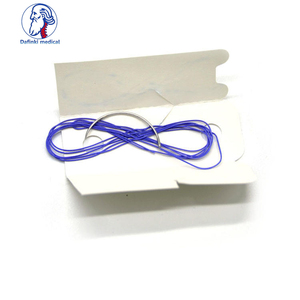
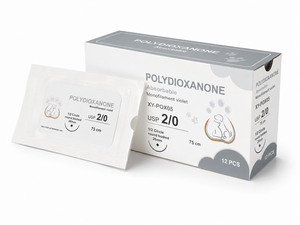
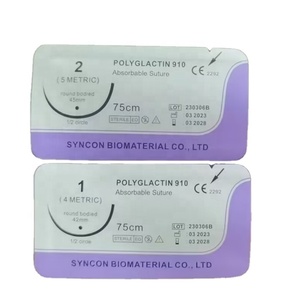
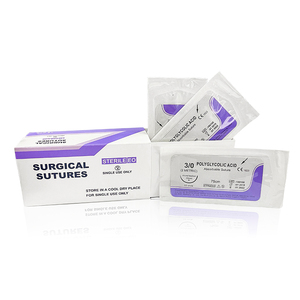
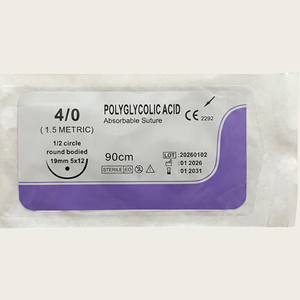
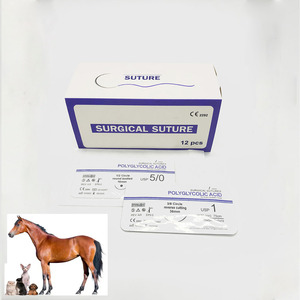
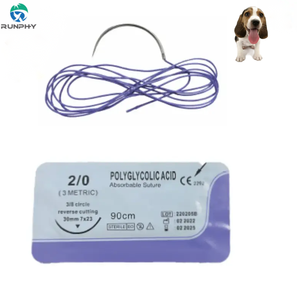
Direct B2B supply of sterile surgical sutures engineered to exacting International Standards (USP/EP) for acute surgical care, specialized outpatient centers, and veterinary surgical practices in the Kansai region.
As the primary economic and medical hub of the Kansai region, Osaka Prefecture stands at the forefront of Japan’s sophisticated healthcare infrastructure. Home to world-renowned clinical research institutes, university-affiliated acute care hospitals (such as Osaka University Hospital and Osaka Metropolitan University Hospital), specialized aesthetic surgery clinics in Shinsaibashi and Umeda, and a burgeoning veterinary hospital network across Suita and Toyonaka, Osaka demands medical devices of uncompromised reliability, complete batch traceability, and full compliance with international standards.
Navigating the balance between stringent quality requirements set by the PMDA (Pharmaceuticals and Medical Devices Agency) and the growing economic imperative for cost-efficient hospital supply chains requires strategic international partnerships. As a premier China wholesale surgical sutures factory and direct exporter serving Osaka, our manufacturing facility delivers fully documented, USP/EP-compliant wound closure technologies directly to Japanese medical device importers, wholesalers, tender managers, and clinical networks.
By eliminating multi-tiered distributor markups while maintaining 100% single-site manufacturing oversight—from raw polymer extrusion to high-precision needle swaging and validated ethylene oxide (EO) sterilization—we provide Osaka procurement officers with substantial information gain: a verifiable, cost-optimized alternative backed by comprehensive CE, ISO 13485, and WHO-GMP documentation dossiers.
End-to-end control, full regulatory transparency, and engineered consistency across every surgical thread.
Unlike trading intermediaries that aggregate components from disparate suppliers, our single-site cleanroom production in China executes polymer synthesis, braiding, polycaprolactone coating, needle laser drilling, and swaging under one ISO 13485:2016 quality management system. Every carton delivered to Osaka carries a batch number traceable back to the raw material lot and sterilization cycle chart.
We empower Osaka-based medical importers and distributor partners with comprehensive regulatory documentation. Our technical export desk supplies complete technical files including Declaration of Conformity, CE / EU MDR certificates, Free Sale Certificates (FSC), Certificate of Analysis (CoA), ISO 10993 biocompatibility validation, and EO residual limits testing per ISO 10993-7.
With established maritime routes connecting major coastal ports to Osaka Port (Osaka-ko) and direct air freight corridors to Kansai International Airport (KIX), standard catalogue orders dispatch within 2 to 4 weeks. Buffer inventory management and rapid private-label packaging cycles (5 to 7 weeks) ensure uninterrupted stock replenishment for Osaka clinical networks.
We provide comprehensive private-label OEM manufacturing tailored for Japanese medical device brands. Custom needle-and-thread combinations—including specific USP sizes (10-0 to 2), thread lengths (45cm to 150cm), needle geometries, foil artwork, GS1-128 barcode formatting, and multi-language Instructions for Use (IFU)—are configured to match exact distributor specifications.
Every single batch released from our factory undergoes rigorous physical testing, verifying needle attachment pull-out strength, knot pull strength, diameter consistency, and flexural rigidity against USP and European Pharmacopoeia (EP) monographs. This guarantees zero slippage or intra-operative snap during high-tension fascial or cardiovascular closure.
Beyond synthetic absorbable (PGA, PGLA 910, PDO, Poliglecaprone 25) and non-absorbable (Polypropylene, Nylon, Braided Silk, Polyester) sutures, our facility produces complementary wound closure systems including warp-knitted Polypropylene Hernia Mesh, Disposable Skin Staplers, and Oxidized Regenerated Cellulose (ORC) Absorbable Hemostats.
In-vivo degradation dynamics, structure profiles, and clinical utility guidelines for hospital procurement committees.
| Material Family | Polymer / Structure | In-Vivo Tensile Strength Profile | Complete Absorption Time | Available USP Range | Primary Surgical Indications |
|---|---|---|---|---|---|
| Polyglactin 910 (PGLA) | Braided & Coated (90% Glycolide, 10% L-Lactide) | ≈75% retention at 14 days ≈50% retention at 21 days |
56 – 70 Days (Hydrolysis) | USP 8-0 to 2 | General soft tissue approximation, OB/GYN, gastrointestinal, pediatric surgery |
| Polyglycolic Acid (PGA) | Braided & Coated 100% Polyglycolic Acid | ≈65% retention at 14 days ≈35% retention at 21 days |
60 – 90 Days (Hydrolysis) | USP 7-0 to 2 | General surgery, ophthalmic, urology, veterinary surgery |
| Polydioxanone (PDO / PDS) | Monofilament Polyester (p-dioxanone) | ≈70% retention at 14 days ≈50% retention at 28 days |
180 – 210 Days (Hydrolysis) | USP 7-0 to 2 | Abdominal wall closure, pediatric cardiovascular, orthopedic fascia repair |
| Poliglecaprone 25 | Monofilament (Glycolide-co-caprolactone) | ≈50–60% retention at 7 days ≈20–30% retention at 14 days |
91 – 119 Days (Hydrolysis) | USP 6-0 to 1 | Subcuticular skin closure, plastic & cosmetic surgery, urological mucosa |
| Polypropylene | Monofilament Isotactic Polypropylene | Non-Absorbable (Permanent strength retention) | Permanent (Inert) | USP 10-0 to 2 | Cardiovascular grafting, vascular anastomosis, hernia mesh fixation |
| Nylon / Polyamide | Monofilament Polyamide 6 / 6.6 | Gradual loss (≈15–20% per year via enzymatic action) | Non-Absorbable | USP 11-0 to 2 | Ophthalmic micro-surgery, neurosurgery, skin suture, plastic surgery |
| Chromic / Plain Catgut | Twisted Natural Bovine / Ovine Serosa Collagen | Moderate tissue support (14–28 days depending on chromic treatment) | 90 Days (Enzymatic digestion) | USP 6-0 to 2 | Rapidly healing mucosa, dental oral surgery, veterinary ligation |

Matching precision needle-thread combinations to specialized procedure workflows in the Kansai region.
High-volume surgical centers requiring reliable absorption dynamics and high tensile strength for gastrointestinal anastomosis, hepatobiliary resections, and abdominal wall closures.
Osaka’s renowned aesthetic surgery cluster demands non-traumatic, micro-point needles and ultra-smooth monofilament sutures that minimize tissue drag, scar formation, and track marks.
High-tension joint reconstruction, tendon repairs, and soft-tissue reattachment require ultra-high strength braided materials with minimal stretch and permanent retention.
Expanding small animal surgical clinics require cost-effective, high-tensile absorbable suture kits and catgut alternatives for spay/neuter routines, soft tissue, and emergency procedures.
Strategic procurement planning in Osaka is currently shaped by three major regional healthcare shifts:
Our direct wholesale supply framework directly bridges these structural shifts, empowering Osaka importers and clinical buyers with factory-direct pricing, flexible order volumes, and complete technical compliance.
Addressing regulatory, logistical, and technical inquiries for direct factory sourcing.
Streamline your medical device supply chain with certified USP/EP quality, factory-direct pricing, and dedicated export documentation support for the Kansai region.