Engineered for high tensile retention, minimal tissue reaction, and dependable performance across Iraqi public and private surgical centers.
The healthcare infrastructure across Iraq—encompassing major public tertiary hubs such as Baghdad Medical City, regional referral centers in Basra and Najaf, and rapidly expanding private medical networks in Erbil and Sulaymaniyah—is undergoing a profound transformation. As surgical teams upgrade protocols to comply with global evidence-based standards, the demand for high-integrity surgical implants, specifically composite hernia meshes and synthetic absorbable sutures (PGA, PGLA 910, PDO), has reached an all-time high. Sourcing dependable medical supplies that balance surgical efficacy with strict regulatory compliance is paramount for Iraqi procurement managers, Ministry of Health (KIMADIA) tender bidders, and private hospital directors.
Key Insight for Iraqi Medical Procurement: Modern abdominal wall reconstruction and hernia repair demand composite meshes that offer immediate macro-porous tissue integration paired with bio-resorbable anti-adhesion barriers to mitigate post-operative visceral attachment in challenging climatic and clinical environments.
Composite hernia mesh represents a sophisticated evolution over traditional single-filament monofilament polypropylene sheets. Designed primarily for laparoscopic intraperitoneal onlay mesh (IPOM) repairs and complex ventral hernia reconstructions, composite meshes feature a dual-surface architecture:
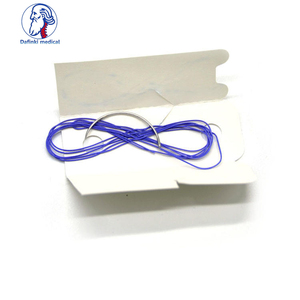
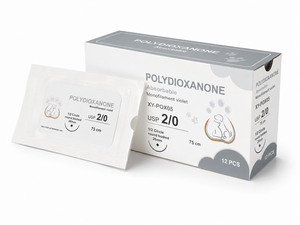
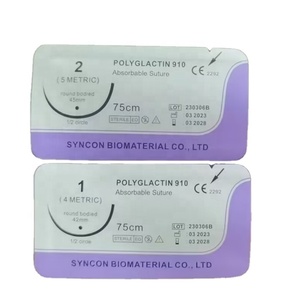
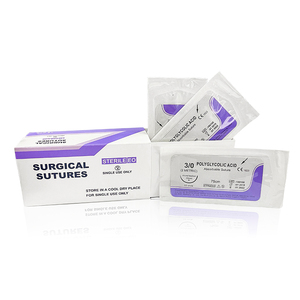
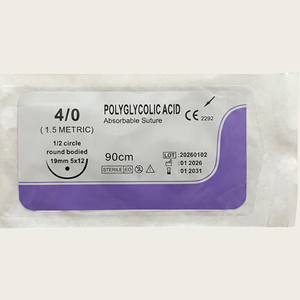
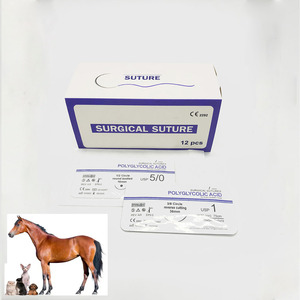
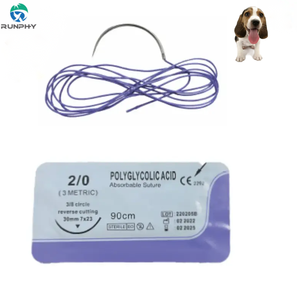
Complementing composite mesh technology is our wide array of synthetic absorbable sutures, manufactured strictly from homopolymers of Polyglycolic Acid (PGA) and copolymers of Polyglactin 910 (PGLA). In contrast to legacy chromic catgut materials, synthetic polymers undergo predictable degradation via hydrolytic cleavage rather than enzymatic breakdown. This guarantees consistent tensile strength retention regardless of local tissue inflammation, metabolic variations, or patient fever status—an critical factor in tropical and arid regional surgical settings.

Tailored biomaterials addressing specific clinical demands across Iraq's diverse medical landscape.
High-volume trauma centers in central Iraq require fast-closing, high-tensile braided PGA and PGLA 910 sutures for rapid soft-tissue approximation. Our high-tensile swaged needles ensure reliable passage through dense fascia during emergency laparotomies, minimizing operative time and blood loss.
Private clinical networks in Kurdistan prioritize low-pain, tension-free repair techniques. Lightweight polypropylene and composite meshes minimize foreign body reaction, reducing chronic post-operative groin pain and accelerating recovery for patients in outpatient surgical settings.
For gynecological suturing and pediatric wall closure in southern Iraq, smooth-pass monofilament Poliglecaprone 25 and rapid-absorption Polyglactin 910 sutures prevent tissue knot drag, yielding cosmetically superior subcuticular scar lines and reducing pediatric patient discomfort.
Understanding the operational realities of importing medical devices into Iraq requires deep insight into local regulatory shifts and supply chain dynamics:
The Iraqi Ministry of Health and environment authorities have progressively elevated inspection criteria. Legacy uncertified supplies are rapidly being phased out in favor of products backed by comprehensive Technical Files, ISO 13485:2016 Quality Management Systems, and CE Mark Certification under EU MDR 2017/745. Every lot exported to Iraq must undergo validated Ethylene Oxide (EO) sterilization, backed by physical residual testing in compliance with ISO 10993-7.
Summer ambient temperatures in southern ports such as Umm Qasr and transit hubs in Basra routinely exceed 50°C. Standard blister packaging often degrades or loses seal integrity under such extreme conditions. To safeguard sterility over a 5-year shelf life, our products utilize hermetically sealed, tropicalized double-layer aluminium foil pouches packed within heavy-duty corrugated export cartons designed to resist thermal degradation and humidity during transit.
Alongside public KIMADIA tenders, private hospital development in cities like Sulaymaniyah, Erbil, Najaf, and Kirkuk is surging. Private buyers demand versatile catalog offerings—ranging from specialized antibacterial triclosan-coated sutures to custom-sized 3D anatomical composite meshes—with fast dispatch windows and private-label OEM capabilities.
Technical evaluation matrix designed for hospital tender evaluation committees and clinical procurement officers.
| Material Class | Structure & Composition | Tensile Strength Retention | Absorption / Mass Loss | Tissue Reaction | Primary Clinical Application |
|---|---|---|---|---|---|
| Composite Mesh | Monofilament PP + Resorbable ORC/PDO Layer | Permanent Structural Support (PP Matrix) | Barrier Absorbs in 28–56 Days | Ultra-Low Visceral Attachment | Laparoscopic IPOM & Complex Ventral Repair |
| Polyglactin 910 (PGLA) | Braided Copolymer (90% Glycolide, 10% L-Lactide) | 75% at 14 Days / 50% at 21 Days | Complete Hydrolysis at 56–70 Days | Slight / Minimal Inflammatory Response | General Soft Tissue Approximation, OB/GYN |
| Polyglycolic Acid (PGA) | Braided Homopolymer of Glycolic Acid | 65–70% at 14 Days / 40% at 21 Days | Substantial Degradation 60–90 Days | Minimal Cellular Response | Fascia Closure, Gastrointestinal, Orthopedics |
| Polydioxanone (PDO/PDS) | Monofilament Synthetic Polyester | 70% at 14 Days / 50% at 28 Days | Extended Profile 180–210 Days | Very Low Friction & Drag | Pediatric Cardiovascular, Abdominal Wall Fascia |
| Standard Polypropylene | Monofilament Non-Absorbable Polymer | Indefinite Tensile Retention (0% Loss) | Non-Absorbable Permanent Implant | Inert Foreign Body Profile | Lichtenstein Inguinal Repair, Hernioplasty |
End-to-end single-site manufacturing discipline ensuring complete regulatory clarity and batch reliability.
From raw polymer extrusion and precision yarn braiding to automated needle swaging and cleanroom packaging, every process stage occurs within our single audited facility. Zero outsourcing guarantees 100% batch traceability back to raw resin lots.
We supply complete MOH registration dossiers for Iraq, including Free Sale Certificates (FSC), Legalized Certificates of Origin, ISO 13485 certificates, CE Declarations of Conformity, and exhaustive biocompatibility test data under ISO 10993.
Whether routing airfreight to Erbil International Airport (EBL) or Baghdad International Airport (BGW), or managing sea cargo through Port of Umm Qasr, our logistics desk ensures full compliance with Iraqi customs clearing documentation.
Addressing common regulatory, technical, and commercial questions from Iraqi medical distributors and hospital procurement agents.
Elevate your medical supply portfolio with world-class, ISO 13485 certified surgical wound closure products tailored for Iraqi public tenders and private healthcare networks.