Technical Whitepaper: Polypropylene Hernia Mesh Sourcing for the Italian Healthcare System
Hernia repair protocols within Italy’s Servizio Sanitario Nazionale (SSN) and leading private clinical networks (such as those across Lombardy, Lazio, and Veneto) have evolved rapidly toward tension-free repairs prioritizing long-term patient comfort, low recurrence rates, and minimal post-operative pain. As a specialized manufacturer of surgical implants and non-absorbable synthetic meshes, our organization provides medical-grade monofilament Polypropylene Hernia Meshes tailored specifically to meet the high clinical and regulatory demands of Italian surgical facilities.
Key Procurement Focus in Italy: Transition to CE MDR (2017/745) compliant lightweight and standard macroporous meshes that minimize foreign body reaction while delivering robust tissue integration during Day Hospital (Day Surgery) Lichtenstein, TAPP, and TEP procedures.
1. Material Science & Biomechanical Performance
Polypropylene (PP) remains the gold standard biomaterial for abdominal wall tissue reinforcement. Our meshes are manufactured from 100% extruded isotactic polypropylene monofilaments. Unlike multifilament or braided alternatives, monofilament construction inherently resists bacterial harboring, preventing chronic surgical site infections (SSI).
The knitted structure yields an open macroporous pattern with pore diameters consistently exceeding 1.5 mm. According to surgical literature and clinical consensus across European hernia societies, pore sizes above 75 microns are essential to allow macrophages, fibroblasts, and collagen fibers to infiltrate freely. This facilitates natural tissue ingrowth (fibroplasia) and angiogenesis while preventing the formation of dense, rigid scar tissue capsules that lead to mesh shrinkage and post-operative stiffness.
| Mesh Parameter |
Lightweight (Standard-Soft) |
Standard Weight |
Clinical Advantage in Italian Surgical Setting |
| Grammage (g/m²) |
28 – 36 g/m² |
60 – 80 g/m² |
Lower weight reduces chronic foreign body reaction and patient awareness. |
| Pore Size (mm) |
2.0 – 3.0 mm |
1.2 – 1.8 mm |
Macropores support rapid vascularization and healthy tissue integration. |
| Burst Strength (kPa) |
> 180 kPa |
> 320 kPa |
Exceeds maximum intra-abdominal pressure physiological peaks (>150 mmHg). |
| Thickness (mm) |
0.45 – 0.55 mm |
0.60 – 0.70 mm |
Optimized memory for laparoscopic trocars deployment (TAPP/TEP). |
| Sterilization Method |
Ethylene Oxide (EO) |
Ethylene Oxide (EO) |
Validated SAL 10⁻⁶ per ISO 11135 standard. |
2. Localized Clinical Application Scenarios in Italy
Surgical techniques in Italian hospitals rely heavily on established evidence-based methodologies. Our polypropylene mesh portfolio is designed for seamless deployment across three main surgical modalities:
A. Inguinal Hernioplasty (Lichtenstein Technique):
As the primary open procedure conducted in Italian Day Surgery units, Lichtenstein repairs demand pre-cut or customizable flat meshes featuring sealed, non-fraying edges. Our ultrasonic laser-cut meshes allow surgeons to tailor the mesh geometry around the spermatic cord without thread unraveling or debris shedding.
B. Laparoscopic Repair (TAPP & TEP):
Minimally invasive hernioplasty (Transabdominal Preperitoneal and Totally Extraperitoneal) is growing exponentially across Italian university hospitals (Cliniche Universitarie) and regional health authorities (Aziende Sanitarie Locali - ASL). Our polypropylene meshes possess superior mechanical memory, allowing them to roll smoothly inside a 10mm trocar, unfurl effortlessly inside the preperitoneal space, and cling naturally to the abdominal tissue to reduce fixation tack requirements.
C. Ventral & Incisional Hernia Repair:
For larger abdominal defects, our high-density standard meshes offer multi-directional tensile stability. When placed sublay (Rives-Stoppa technique), the mesh distributes intra-abdominal force uniformly across the myofascial boundaries, mitigating recurrence risks in complex open reconstruction.
3. Regulatory Alignment: Consip & Italian SSN Tender Readiness
Procurement for public healthcare in Italy is heavily governed by centralized purchasing entities (such as Consip S.p.A. at the national level, or regional central purchasing units like ARARIA in Lombardy and SCR in Piedmont). Bidding successfully in these tenders requires stringent document transparency:
• CE Certification under MDR 2017/745: All mesh families carry full Class IIb implantable device approvals with validated technical dossiers.
• Biocompatibility Dossier (ISO 10993 Series): Complete cytotoxicity, systemic toxicity, sensitization, intracutaneous reactivity, and subchronic toxicity testing data.
• Traceability & UDI Compliance: Every sterile pouch features unique device identification (UDI/GS1 barcodes) compliant with EUDAMED registration requirements for instant scanning into hospital ERP systems.
• Shelf Life & Packaging Integrity: Double-peelable sterile pouches packaged in aluminum foil inner envelopes to guarantee a 5-year shelf life under varying climatic storage conditions.
4. Localized Trends & Future Outlook in Italy (2025–2030)
Italian healthcare procurement is experiencing three major shifts that shape our manufacturing research and supply chain strategy:
1. Growth of Outpatient Day Hospital Procedures: Over 75% of primary inguinal hernia repairs in Italy are performed in outpatient or short-stay settings. Surgeons prefer lightweight, macroporous meshes that minimize post-operative inflammation, enabling patient discharge within 6 to 8 hours post-op.
2. Preference for Monofilament Integrity: Due to increased regulatory scrutiny over mesh-related complications, Italian surgical committees explicitly penalize multifilament or composite meshes that present long-term degradation risk. Pure polypropylene monofilament remains the preferred choice due to decades of proven clinical safety profiles.
3. Sustainable Sourcing & Direct Supply Chains: ASL purchasing offices increasingly favor medical device manufacturers capable of delivering direct OEM or semi-custom orders without multi-tier broker markups, guaranteeing stock availability for emergency surgical wards.
5. Integrated Manufacturing & Quality Architecture
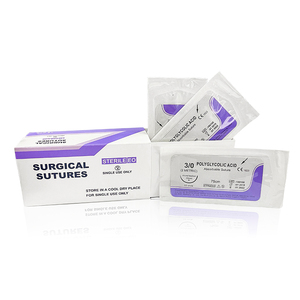
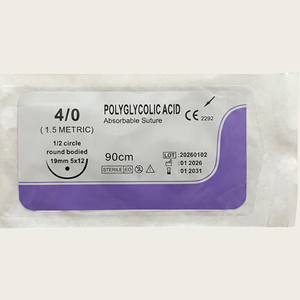
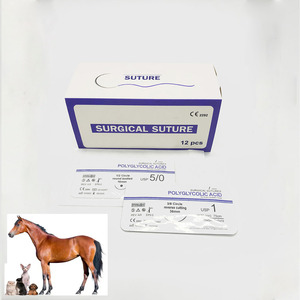
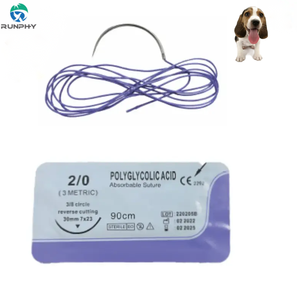
Operating out of our centralized manufacturing facilities, every batch of polypropylene hernia mesh and surgical suture undergoes rigorous quality audits before global export. From raw polymer lot release to needle-attachment pull testing and ethylene oxide residue analysis (ISO 10993-7), our strict quality assurance protocol ensures zero defect delivery to distributors in Milan, Rome, Naples, and Turin.
 Suture PlanetSurgical Wound Closure