Titanised Polypropylene Mesh Manufacturers & Exporter in Nagoya
Precision Titanium-Coated Surgical Implants & Advanced Medical Devices Engineered for Superior Biocompatibility, Reduced Tissue Shrinkage, and Optimal Inguinal & Ventral Hernia Reconstruction across Japan.
Medical Device Portfolio
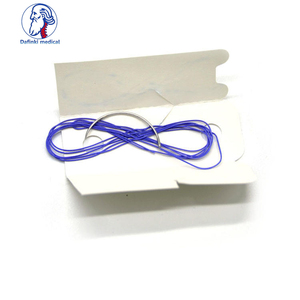
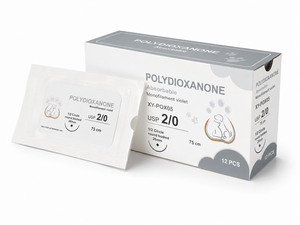
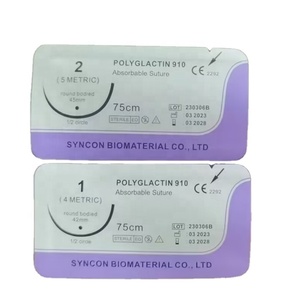
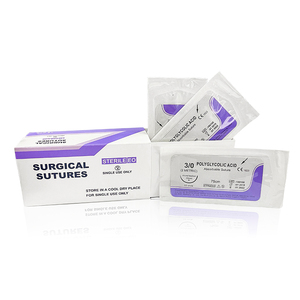
Featured Surgical Sutures & Implantable Mesh Solutions
Manufactured under ISO 13485:2016 and CE MDR standards, supplied directly to healthcare systems, clinical procurement networks, and surgical facilities in Nagoya and globally.
Metallurgical Coating & Polymer Engineering: The Science of Titanised Polypropylene Mesh
In modern abdominal wall reconstruction, pelvic floor repair, and minimally invasive laparoscopic hernia surgery, the choice of biomaterial dictates clinical outcomes, post-operative pain scores, and long-term recurrence rates. Titanised Polypropylene Mesh (TiMesh) represents a major technical advancement in soft tissue repair implants. By depositing a nanometer-thin layer of covalent titanium metal onto lightweight monofilament polypropylene fibers via physical vapor deposition (PVD), biomaterial engineers have resolved the fundamental trade-off between the mechanical strength of synthetic polymers and the biocompatibility of metallic implants.
Clinical Information Gain Key Insight: Standard uncoated polypropylene mesh implants frequently trigger a persistent foreign body reaction (FBR), leading to dense myofibroblastic fibrosis, mesh contraction (up to 30-40% surface area shrinkage), and chronic post-operative pain. Titanised polypropylene mesh leverages titanium's native oxide passivation layer ($TiO_2$) to mask the synthetic polymer surface, yielding significantly lower inflammation markers, improved fibroblastic integration, and superior mesh compliance matching native anatomical compliance.
1. Biocompatibility Mechanism of the $TiO_2$ Passivation Interface
When a standard monofilament polypropylene mesh is placed within human soft tissue, hydrophobic polymer surfaces absorb host proteins in an unstructured conformation. This denaturation triggers macrophage activation, giant cell formation, and chronic encapsulated scarring. In contrast, titanised polypropylene mesh presents a hydrophilic titanium oxide surface layer to the cellular microenvironment. Plasma proteins—specifically fibronectin and vitronectin—adsorb in their native conformation, promoting orderly endothelial cell attachment and rapid fibroblast migration without excessive collagenous scar contraction.
Quantitative histology demonstrates that titanium-coated mesh meshes yield a lower cell density of polymorphonuclear leukocytes and macrophages at 30, 60, and 90 days post-implantation compared to traditional heavyweight polypropylene controls. This reduction in chronic inflammatory response directly translates into a more flexible, pliable tissue-mesh complex, preventing the rigid "stiff plate" effect in the abdominal wall.
Surgical mesh performance is dictated by pore size and effective weight. Titanised polypropylene mesh is predominantly manufactured in lightweight ($35–45\,g/m^2$) and extra-lightweight ($16–24\,g/m^2$) knit structures with macropores exceeding $1.0\,mm$ to $3.0\,mm$. Macroporosity prevents bridging fibrosis—the phenomenon where scar tissue bridges across pores, converting a flexible mesh into a solid scar sheet.
Biomaterial Parameter
Titanised Polypropylene (TiMesh)
Standard Heavyweight PP Mesh
Lightweight Monofilament PP
Biological Acellular Matrix
Surface Coating
PVD TitaniumCovalent Metal Layer
None (Raw Polypropylene)
None (Raw Polypropylene)
Natural Extracellular Matrix
Weight Density ($g/m^2$)
16 – 45 $g/m^2$
80 – 110 $g/m^2$
35 – 55 $g/m^2$
Variable (High)
Pore Structure
Macroporous (1.0 - 3.0 mm)
Microporous (< 1.0 mm)
Macroporous (> 1.0 mm)
Dense Fiber Matrix
Mean Tissue Shrinkage
< 5% - 10%
25% - 40%
12% - 20%
Enzymatic Degradation
Inflammatory Response
Minimal / Passivated
High Chronic Foreign Body Reaction
Moderate Reaction
Remodeling / Variable
Tensile Strength Retention
Permanent Hydrophobic Core
Permanent
Permanent
Absorbed / Degraded
Despite its reduced weight density, Titanised Polypropylene Mesh retains physiological tensile burst strength well in excess of peak human intra-abdominal pressure ($>150\,kPa$ during severe coughing or heavy lifting). The high elasticity ($15–25\%$ dynamic extension) matches the natural compliance of the rectus sheath and transverse fascia, ensuring uninhibited patient mobility.
Nagoya Regional Analysis & Medical Trends
Titanised Mesh Sourcing Dynamics & Clinical Scenarios in Nagoya and Aichi Prefecture
As the industrial and technological core of Japan’s Chubu region, Nagoya boasts one of East Asia’s most sophisticated healthcare infrastructures. Advanced medical hubs such as Nagoya University Hospital, Nagoya City University Hospital, Fujita Health University Hospital, and specialized surgical centers across Aichi Prefecture lead the country in adopting minimally invasive techniques, including Transabdominal Preperitoneal (TAPP) repair, Total Extraperitoneal (TEP) repair, and robotic-assisted hernia surgery (r-TAPP).
Clinical Scenario 1
Laparoscopic Inguinal Repair (TAPP/TEP) in Elderly Patients
Nagoya’s demographic landscape presents a high proportion of senior patients requiring surgical repair for direct and indirect inguinal hernias. Surgeons in regional surgical departments favor lightweight Titanised Polypropylene Mesh due to its superior intra-operative handling, minimal memory effect during trocar passage, and rapid biocompatible tissue integration that reduces post-operative pain, allowing early discharge and rehabilitation.
For open or robotic component separation repairs (e.g., TAR - Transversus Abdominis Release), Nagoya surgical teams demand macroporous meshes that minimize seroma formation and prevent mesh retraction. Titanium-coated mesh provides the necessary multidirectional tensile stability while minimizing scarring around delicate neurovascular bundles in the retrorectus space.
Regional Medical Trends & Regulatory Synergy with PMDA Standards
Hospital procurement departments in Nagoya prioritize vendors that comply with Japan’s Pharmaceuticals and Medical Devices Agency (PMDA) regulatory frameworks and Japanese Industrial Standards (JIS T 0307 / ISO 13485). Sourcing Titanised Polypropylene Mesh from certified manufacturers offers distinct advantages for Nagoya-based medical importers and distributors:
PMDA Dossier Readiness
Complete technical files, biocompatibility data according to ISO 10993 series (cytotoxicity, sensitization, intracutaneous reactivity, systemic toxicity), and clinical evaluation reports supporting smooth registration for Japanese distributors.
Reduced Total Cost of Care
By drastically lowering post-operative chronic pain and mesh infection rates, titanised implants decrease long-term readmission rates and outpatient analgesic consumption across Aichi prefecture’s health insurance networks.
Robotic Surgery Optimization
As robotic surgical suites (da Vinci, Hugo RAS) expand across Nagoya municipal hospitals, surgeons require flexible implants that can be easily folded, passed through 8mm robotic channels, and accurately positioned without tearing.
Enterprise Manufacturing Excellence
Single-Site End-to-End Chain of Custody & Quality Assurance
Our manufacturing infrastructure is built around a single-site, vertically integrated model. Unlike suppliers who outsource polymer extrusion, knitting, or sterilisation to third-party contractors, every step of our production process operates under unified ISO 13485:2016 cleanroom environments.
Medical-Grade Polymer Extrusion
We source ultra-pure polypropylene pellets and process them via precision monofilament extrusion lines, controlling fiber diameter uniformity within ±0.005mm to ensure consistent tensile properties.
Warp Knitting & Laser Micro-Shaping
Custom warp-knitting machinery forms macroporous structures with non-fraying edges. CNC laser cutting seals mesh margins to prevent fiber unraveling during laparoscopic fixation.
Plasma-Assisted PVD Titanium Coating
Our proprietary Physical Vapor Deposition (PVD) coating chambers deposit a uniform titanised nanolayer across every fiber intersection, guaranteeing 100% surface coverage without clogging pore apertures.
Validated Ethylene Oxide Sterilisation
Sterilisation cycles are validated to a Sterility Assurance Level (SAL) of $10^{-6}$ in compliance with ISO 11135. Ethylene oxide residuals are strictly controlled below ISO 10993-7 thresholds.
Full Batch Traceability
Every individual sterile foil pack carries a unique lot identifier linking directly to the polymer lot, coating run chamber log, burst test data, and EO sterilisation graph. Records are retained for 11 years.
OEM & Private-Label Services
We provide full OEM integration for medical device brands across Japan, including custom pore geometries, pre-shaped anatomical mesh designs, localized Japanese labeling, and UDI / GS1 barcode registration.
Procurement & Clinical FAQ
Frequently Asked Questions by Nagoya Medical Importers & Clinical Teams
What key advantages does Titanised Polypropylene Mesh offer over standard polypropylene hernia mesh?
Titanised Polypropylene Mesh features a nanometer-thin coating of titanium dioxide ($TiO_2$) applied via physical vapor deposition. This changes the surface from hydrophobic to hydrophilic, significantly lowering protein denaturation, reducing macrophage activation, and minimizing long-term tissue shrinkage to less than 5-10% (compared to up to 40% with heavy polypropylene). Patients experience less chronic foreign-body sensation and reduced post-operative pain.
How does your manufacturing facility support PMDA compliance and import registration for Japan?
We supply complete STED (Summary Technical Documentation) dossiers, including ISO 13485:2016 certification, CE MDR technical documentation, ISO 10993 biocompatibility testing protocols, sterilisation validation reports, and stability data. These documents are formatted to align with PMDA guidelines, facilitating seamless regulatory submissions for our Nagoya distribution partners.
Can Titanised Mesh be used in laparoscopic (TAPP/TEP) as well as open hernia procedures?
Yes. Titanised Polypropylene Mesh is available in both flat rectangular sheets ($6\times11\,cm$, $10\times15\,cm$, $15\times15\,cm$, $30\times30\,cm$) and pre-shaped anatomical contours. Its superior flexibility and lack of stiff memory make it exceptionally suitable for laparoscopic trocars ($8mm/10mm$), allowing easy deployment and smooth unrolling in the preperitoneal space during TAPP and TEP repairs.
What are the typical lead times and shipping logistics for orders bound for Nagoya Port or Chubu Centrair Airport?
Standard catalogue specifications dispatches in 2 to 3 weeks. For OEM and private-label orders requiring localized Japanese packaging and customized IFUs, lead times range between 4 to 6 weeks. Shipments can be routed directly via air freight to Chubu Centrair International Airport (NGO) or ocean freight to Nagoya Port with full customs documentation and Certificate of Analysis (CoA) included.
How is the sterility and shelf life of your sterile mesh products guaranteed?
Each mesh unit is packaged in a primary medical-grade peelable pouch and sealed within a secondary protective barrier pouch. Sterilised by validated Ethylene Oxide (EO) gas, the product achieves a Sterility Assurance Level (SAL) of $10^{-6}$. Accelerated and real-time stability testing supports a 5-year shelf life when stored under standard clinical warehouse conditions below 25°C.
Do you support private-label manufacturing and customized pore architectures for hospital chains?
Yes. We specialize in OEM contract manufacturing. Partners can specify areal weights ($16\,g/m^2$ to $45\,g/m^2$), pore diameters, laser-cut anatomical shapes, custom packaging box dimensions, and localized Japanese language labeling with GS1 DataMatrix barcodes for full hospital inventory integration.
Partner with a World-Class Titanised Polypropylene Mesh Manufacturer
Expand your surgical product portfolio in Nagoya and across Japan. Request complete technical dossiers, free evaluation samples, or OEM partnership terms today.