Strategic Overview: Surgical Mesh & Absorbable Suture Demand in the Kenyan Market
Kenya’s healthcare landscape is undergoing an unprecedented structural transition driven by the national Universal Health Coverage (UHC) mandate and significant decentralization under the 47 county administrative frameworks. Level 4 (Sub-County) and Level 5 (County Referral) hospitals, alongside premier private healthcare networks in Nairobi, Mombasa, and Kisumu—such as The Aga Khan University Hospital, Nairobi Hospital, and M.P. Shah Hospital—are actively expanding their general surgical capabilities. Inguinal, ventral, and incisional hernia repairs represent over 35% of elective and emergency general surgical procedures across sub-Saharan Africa.
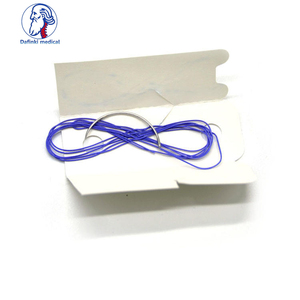
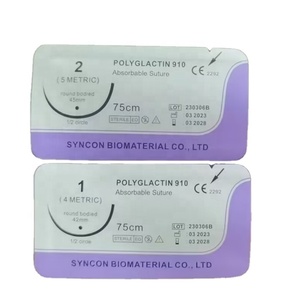
Historically, healthcare facilities across Kenya faced challenges regarding high recurrence rates of ventral and abdominal wall hernias, largely driven by the reliance on traditional heavyweight monofilament meshes or non-absorbable structures that lacked dynamic anatomical elasticity. Furthermore, high rates of Surgical Site Infections (SSIs) in humid coastal zones (e.g., Mombasa, Malindi) and high-volume referral centers highlighted the urgent need for advanced bi-layer composite meshes and absorbable synthetic wound closure devices like Polyglycolic Acid (PGA) and Polyglactin 910 (PGLA) sutures.
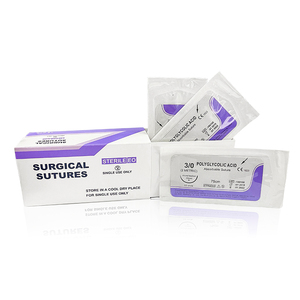
Key Procurement Insight: Kenyan medical importers, tender boards, and hospital procurement committees are actively replacing legacy silk and plain catgut with high-tensile, hydrolytic absorbable polymers (PGA/PGLA 910) and partially absorbable composite meshes to significantly reduce postoperative infection risks and hospital stay durations.
As a leading manufacturer and direct exporter in China, our cleanroom manufacturing facilities deliver fully documented, CE-marked, and ISO 13485-certified composite meshes and surgical sutures tailored to the climate resilience, regulatory compliance (Pharmacy and Poisons Board - PPB Kenya), and cost-performance requirements of the East African healthcare market.
Biomaterial Engineering: Monofilament Polypropylene vs. Composite Absorbable Meshes
Understanding the biomechanical interaction between synthetic implants and human fascia tissue is essential for clinical success in abdominal wall reconstruction. In standard tension-free hernioplasty (Lichtenstein technique), traditional polypropylene mesh provides permanent strength but can induce excessive foreign body reaction, tissue stiffness, and dense visceral adhesions if placed in contact with intraperitoneal structures.
Standard Polypropylene (PP)
Monofilament non-absorbable structure with pore sizes ranging from 0.8mm to 1.2mm. Highly effective for extraperitoneal repair, but exhibits a rigid burst strength profile (>100 kPa) that significantly exceeds natural abdominal compliance.
Lightweight PGA/PCL Composite
Features a dual-component mesh matrix combining lightweight monofilament polypropylene with an absorbable Polyglycolic Acid (PGA) or Polycaprolactone (PCL) backing. Reduces foreign body mass by up to 60% after complete absorption.
Intraperitoneal Anti-Adhesion
Specifically engineered for laparoscopic IPOM (Intraperitoneal Onlay Mesh) procedures. Incorporates an absorbable hydrogel barrier (ORC/Collagen) that prevents bowel adhesion while facilitating rapid tissue integration into the parietal wall.
Biomechanical Comparison & Technical Specifications
| Performance Metric |
Standard PP Heavyweight |
Lightweight Composite Mesh |
Anti-Adhesive IPOM Mesh |
| Areal Mass (g/m²) |
80 - 110 g/m² |
28 - 45 g/m² (post-absorption) |
120 - 160 g/m² (pre-absorption) |
| Pore Dimension |
0.6 mm - 1.2 mm (Small) |
> 1.8 mm - 3.0 mm (Macroporous) |
Parietal: 2.0 mm / Visceral: Smooth Barrier |
| Tensile Elasticity |
Rigid (~8-12%) |
Anatomical (~20-30%) |
Flexible Compliance |
| Inflammatory Response |
Moderate to High chronic fibrosis |
Minimal long-term cellular strain |
Controlled transient response |
| Primary Clinical Use in Kenya |
Open Inguinal Lichtenstein Repair |
Complex Abdominal Ventral Repair |
Laparoscopic IPOM & Umbilical Repair |
Localized Application Scenarios in the Kenyan Surgical Landscape
Biomedical devices imported into East Africa must perform flawlessly across diverse operational environments—from ultra-modern Nairobi surgical suites with laminar flow to rural County Level 4 operating theaters operating under fluctuating temperatures and power stability.
Nairobi & Private Hospital Networks
High demand for advanced 3D anatomical meshes, laparoscopic IPOM composite implants, and antibacterial Triclosan-coated PGLA 910 sutures. Surgeons require minimal post-op pain profiles and fast patient recovery times for day-case hernioplasties.
County Referral Tenders (Level 4 & 5)
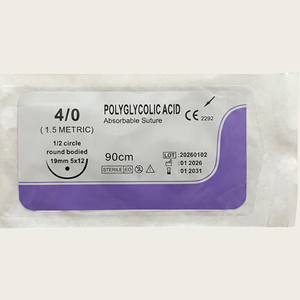
Focus on cost-effective, durable monofilament polypropylene meshes paired with high-tensile Polyglycolic Acid (PGA) braided sutures. EO-sterile double-foil packaging guarantees 5-year stability under tropical storage conditions (below 30°C).
Veterinary & Agricultural Sectors
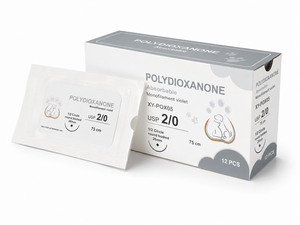
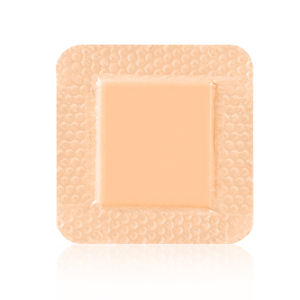
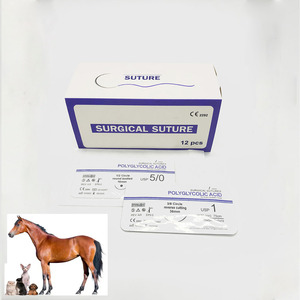
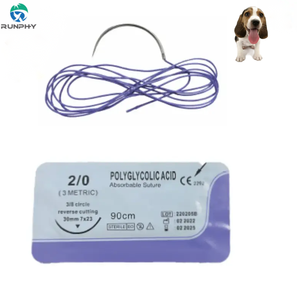
Extensive livestock production in Eldoret, Nakuru, and the Rift Valley creates robust demand for large-gauge absorbable PGA/PGLA 910 animal sutures (USP 1, 2) and high-strength wound dressings suited for large animal surgical procedures.
East African Surgical Market Trends & Import Compliance (2025-2030)
Navigating the regulatory and commercial dynamics in Kenya requires alignment with the Pharmacy and Poisons Board (PPB) guidelines and KEMSA procurement standards. The following macro-trends shape the medical device import environment:
PPB Kenya Pre-Market Registration
All imported class IIb and class III medical devices require full technical files, ISO 13485 certification, CE Declaration of Conformity, and Free Sale Certificates (FSC) duly notarized for seamless customs clearance in Mombasa and Nairobi.
Shift to Synthetic Absorbables
Surgeons across East Africa are rapidly moving away from plain catgut toward Polyglycolic Acid (PGA) and Polyglactin 910 due to predictable absorption kinetics (56-70 days) and significantly reduced tissue reaction rates.
Direct Manufacturer Sourcing
Kenyan medical supply importers are reducing procurement costs by 40-50% by establishing direct OEM partnerships with Chinese factories, eliminating European re-exporter markups without compromising certified quality.
Tropicalized Packaging Requirements
High ambient humidity during maritime transport via Mombasa requires heavy-duty aluminum inner pouch packaging, moisture-impermeable blister packs, and multi-language IFU documentation (English/Swahili).
Why Partner with Our Factory: China's Leading Medical Exporter
With state-of-the-art cleanrooms (Class 100,000 / ISO Class 8) and continuous R&D investment, our manufacturing facility stands as a premier direct supplier of surgical meshes, sutures, and wound care consumables for global export markets.
Full Process Chain Integrity
From polymer pellet extrusion, precision warp knitting, laser cutting, needle swaging to final EO sterilization—100% executed in-house for complete lot traceability.
Complete Regulatory Dossiers
We supply full technical dossiers for Kenya Pharmacy and Poisons Board (PPB) submission, including Declaration of Conformity, CE Certificates, ISO 13485:2016, and CoA.
OEM & Private Label Packaging
Custom branding, tailored foil artwork, localized GS1 barcodes, UDI compliance, and dynamic box sizes tailored specifically for regional African distributor brands.
Frequently Asked Questions for Kenyan Medical Importers & Procurement Officers
Addressing critical regulatory, shipping, and technical queries commonly raised by hospital buyers, tender agents, and medical distributors across Kenya and East Africa.
How do your composite meshes and sutures comply with Kenya Pharmacy and Poisons Board (PPB) registration?
Our products are manufactured under strict ISO 13485:2016 quality systems and carry full CE certification under European MDD/MDR standards. For Kenyan importers, we provide complete registration dossiers including the Declaration of Conformity, Free Sale Certificate (FSC), Certificate of Analysis (CoA), and full biocompatibility test reports (ISO 10993) required for smooth PPB approval.
What is the typical transit lead time and shipping route from China to Kenya?
Standard catalog products dispatch from our factory within 2 to 3 weeks. Sea freight orders ship via major maritime routes to the Port of Mombasa, taking approximately 20-25 days in transit. Urgent hospital orders or tender samples can be dispatched via air cargo directly to Jomo Kenyatta International Airport (JKIA, Nairobi) within 5 to 7 days.
Do you offer custom sizes and pre-shaped composite meshes for KEMSA tender bids?
Yes. We specialize in OEM and tender customization. We can produce specific mesh dimensions (e.g., 6cm x 11cm, 10cm x 15cm, 15cm x 15cm, 30cm x 30cm), pre-shaped keyhole meshes for inguinal/femoral repair, and customized suture thread lengths (45cm to 150cm) with precise needle geometries to match tender specification sheets.
How is product sterility guaranteed during tropical transit and long-term storage in East Africa?
All absorbable sutures and synthetic meshes undergo validated Ethylene Oxide (EO) sterilization, achieving a Sterility Assurance Level (SAL) of 10⁻⁶. Primary packaging consists of medical-grade primary aluminum foil pouches enclosed within sealed outer protective sleeves, maintaining sterility and polymer stability for 5 years when stored below 30°C.
Why choose Polyglycolic Acid (PGA) over traditional Chromic Catgut for local surgeries?
PGA is a synthetic absorbable polymer that degrades via predictable hydrolysis rather than enzymatic digestion. This eliminates variable absorption rates, reduces local tissue inflammatory reactions, minimizes surgical site infection (SSI) risks, and provides reliable tensile strength retention (over 60-70% strength at 14 days post-op), making it superior for soft tissue approximation.
What are the minimum order quantities (MOQ) for direct OEM orders to Kenya?
For standard factory-branded items, our minimum order quantity starts at just 10 boxes per specification. For private label and custom packaging projects, MOQs are flexible and arranged per order batch. We also support consolidated mixed-SKU container shipments allowing distributors to combine meshes, sutures, and dressings in a single order.
 Suture PlanetSurgical Wound Closure